Collaborator Spotlight:
Areli Chacón Silva, PhD

Collaborator Spotlight:
Areli Chacón Silva, PhD
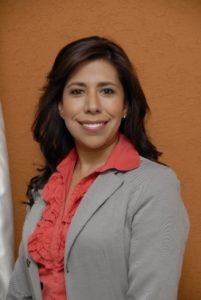
Areli Chacón Silva, Ph.D., is the Interim Director of the Leadership Studies Program at the University of Texas at El Paso. She has a BA in International Business from Tecnológico de Monterrey (ITESM) (1996), an MBA from Angelo State University (1999), and a PhD in Economics from the University of La Havana (2011). Her research explores the Latino market in the United States, as well as business expansion opportunities for Mexican businesses. She has experience researching the cultural values of Latinos in America.

Currently, Dr. Chacón Silva is working with KB as a collaborating scientist with Dr. Gill Woodall and Dr. David Buller on WayToServe Español: A Culturally-Appropriate Online Responsible Beverage Service Training for Spanish-Speaking Servers (R44MD010405; Dr. Gill Woodall, Principal Investigator). This research project is funded by the National Institute on Minority Health and Health Disparities at the National Institutes of Health. On this project, she will assist with the creation of culturally-appropriate content and the translation of the English WayToServe® online responsible alcohol server training program to Spanish. She will ensure that the translation is compatible with the values and needs of workers in Spanish language-dominant bars and restaurants. The randomized control trial will take place at Spanish-dominant businesses in the Southwestern region of the United States.

In addition to her research collaboration with KB, Dr. Chacón Silva serves as Chair of the Curriculum Development Committee of the (L.E.A.D. Program) for Wise Latina International, a non-profit organization whose mission is to educate and empower Latinas and women of all walks of life to overcome barriers, to be self-reliant, to become leaders, and to act as agents of change in our communities.

Dr. Chacón Silva served on the Editorial Board Member Committee at the International Case Center of Tecnológico de Monterrey (ITESM) from 2008 to 2012. Her research has appeared in the International Journal of Case Method Research and Application and other scholarly outlets. She has worked as a consultant in international business, leadership, and business logistics since 2001.

Dr. Chacón Silva is also the co-author of the book ¡Reconquest! Advice for Business Owners in Chihuahua to do Business with Latinos in the US (2010). The book presents the results of research funded by CONACYT (National Science and Technology Fund of Mexico: CHIH-2006-CO2-59483) to developing capacity building strategies for Chihuahuan business people to increase commerce with Latinos in the United States, through the concept of the nostalgia marketing.

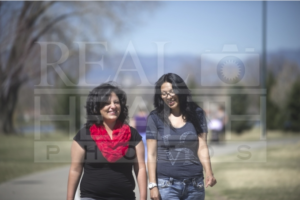
Real Health Photos – International Women’s Day

Real Health Photos – International Women’s Day

March 8 is International Women’s Day (IWD) around the globe. This year’s theme is Press for Progress — a call to motivate and unite friends, colleagues, and whole communities to think, act, and be, gender inclusive.

Started by the Suffragettes in the early 1900’s, the first International Women’s Day was celebrated in 1911. According to the IWD website, “International Women’s Day belongs to all communities everywhere – governments, companies, charities, educational institutions, networks, associations, the media and more. Whether through a global conference, community gathering, classroom lesson or dinner table conversation – everyone can play a purposeful part in pressing for gender parity.”

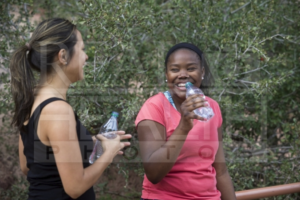
Women of all ages, races, ethnicities, sizes, shapes, disabilities, and capabilities are often the focus of targeted health promotion campaigns. Matching photographic images to a target population can improve the effectiveness of a health message, according to KB research. The message is more effective because the photographs increase the audience member’s identification with the message in a very real and visual way.

KB’s Real Health Photos stock photography enterprise includes thousands of images to help improve the effectiveness of health promotion messages for targeted audiences. Real Health Photos images show diversity of gender, race, ethnicity, age, income level, and health condition or physical ability.

Use Real Health Photos for improving the impact of health campaigns for all kinds people, including women.

Two Hispanic Women Walking and Talking OutsideA white women and a black woman talking and laughing outsideTwo Young Female Friends Drinking WaterMother, Daughter and Woman Doctor

For more images, visit Real Health Photos.

Real Health Photos Logo

Real Health Photos is a stock photography service owned and operated by KB. It was created and evaluated with a research grant (R44MD003338, Mary Buller, Principal Investigator) from the National Institute of Minority Health and Health Disparities at the National Institutes of Health. Real Health Photos is designed to capture the diversity of health through photography and promote the inclusion of all populations in health promotion materials and media.

Real Health Photos® is a KB registered trademark.

Sun Safe Policies in Elementary Schools

Sun Safe Policies in Elementary Schools

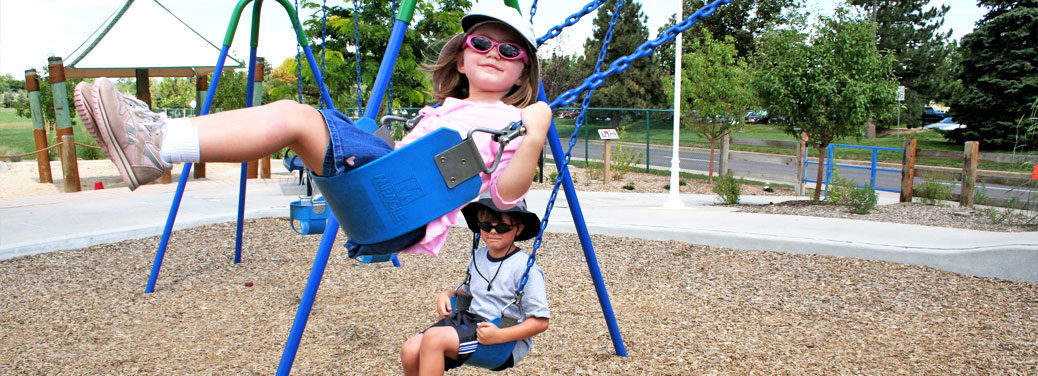
School policies that improve sun safety for children are essential to comprehensive school-based skin cancer prevention. California was one of the first states that enacted legislation governing sun protection for students in public schools. In a research letter recently published in JAMA Dermatology, KB’s Julia Berteletti, Dr. David Buller and Lucia Liu along with collaborators at Claremont Graduate University and the non-profit organization, Sun Safety for Kids, looked at how elementary schools in California adopted a policy for sun safety as recommended by the California School Boards Association (CSBA), a nonprofit membership-based education association representing elected officials who govern public school districts.

The Sample Policy, created through a collaboration with CSBA during a previous study, was based on sun safety recommendations put forth by California law and the Centers for Disease Control and Prevention recommendations and was disseminated to member school districts. The authors examined the content of sun safety policies for any deviation from the Sample Policy for 190 member districts that included elementary schools, subscribed to CSBA policy services, and posted their Board Policy online. The sun safety content of the Sample Policy and each districts’ sun safety policy was coded in 11 categories, such as sunscreen use, UV protective clothing, student education, and shade provision. Each policy was scored on content per category, strength of action specified, and intent for sun protection.

The majority of policies addressed sunscreen, protective clothing and hats. Most included shade, scheduling of outdoor activities to avoid peak UV hours, staff modeling and parent outreach. 75% of policies included student education. Educating teachers, resource allocation, and accountability were addressed in almost no policies. Also, 40% of districts altered their own policy to remove some content from the CSBA Sample Policy. The most frequently removed items were student education, outdoor shade or parent outreach. Authors also found that districts that removed content had significantly more students and administrators than those that adopted the Sample Policy verbatim.

Authors concluded that the CSBA played an influential role in the school districts’ adoption of sun safety policy and suggest that establishing a partnership with a similar association could be an important part of achieving school-based skin cancer prevention.

This research was funded by a grant from the Eunice Kennedy Shriver National Institute of Child Health and Human Development (R01HD074416; Dr. Kim Reynolds, Claremont Graduate University and Dr. David Buller, KB, Principal Investigators).

KB to Co-Host International UV Conference May 1-4, 2018

KB to Co-Host International UV Conference May 1-4, 2018

Klein Buendel is a proud North American organizer and host of the 4th International Conference on UV and Skin Cancer Prevention being held May 1-4, 2018 in Toronto, Canada. The 2018 conference is being organized by a joint planning committee of skin cancer prevention experts in Canada and the United States from Ryerson University in Toronto, the Canadian Dermatology Association, and Klein Buendel.

The UV and Skin Cancer Prevention conferences provide an innovative scientific program that showcases the work of the international skin cancer prevention community. The previous conferences have been held in Copenhagen, Denmark (2011), Berlin, Germany (2013), and Melbourne, Australia (2015) and have attracted international experts in skin cancer prevention, UV radiation science, dermatology, allied behavioral and clinical disciplines and members of the environmental planning and design communities who are working in the field of UV and skin cancer prevention. The conferences have been organized by local planning committees dedicated to advancing skin cancer prevention.

The Toronto conference will feature multiple concurrent sessions and poster sessions addressing primary and secondary prevention, school settings, worksites, shade design, sun safety campaigns, indoor tanning trends, sunscreen, and more.

Special plenary sessions will address:

  • New Research Methods for Skin Cancer Prevention
  • Issues in Dissemination of Skin Cancer Prevention Interventions
  • Second Generation Audiences for Skin Cancer Prevention
  • Environmental Issues in Skin Cancer Prevention
  • Screening for Skin Cancer Prevention

Four additional workshops will be held on May 1st:

  • Sun Safety and Skin Health in Youth
  • Young Adulthood Physical Activity
  • Skin Smart Campus
  • Online, Mobile, and Social Media Interventions

To see the program-at-a-glance, speakers, and registration information, visit…

4th International Conference on UV and Skin Cancer Prevention


KB’S 2017 Research and Outreach Accomplishments and Other Highlights

KB’S 2017 Research and Outreach Accomplishments and Other Highlights

The year 2017 flew by, but we have taken time to reflect on what we have done at Klein Buendel (KB) to achieve our primary goal of creating and evaluating effective programs and products for health promotion and disease prevention. We are thankful for the research, education, and outreach opportunities that we have participated in, and we are looking forward to continuing our efforts in 2018. Details of some of our 2017 accomplishments and publications are listed below. The names of KB investigators and staff are bolded.

SUMMARY OF KLEIN BUENDEL’S 2017 RESEARCH AND OUTREACH ACCOMPLISHMENTS

  • In June, KB celebrated its 15th anniversary as a small woman-owned business.
  • In August, one of our Senior Scientists, Valerie Myers, was made a Fellow of the Society of Behavioral Medicine.
  • We were awarded 3 new prime grants and 1 subcontract.
  • We completed 7 prime and subcontract research projects.
  • KB scientists and staff presented research findings at 6 national and international conferences (19 posters or presentations).
  • KB scientists, collaborators, and staff published 12 papers of research findings in peer-reviewed journals.

Read More Read More

Welcome to the new KB Collaboratory!

Welcome to the new KB Collaboratory!

Welcome to the new KB Collaboratory – a fresh new edition of Klein Buendel’s blog. The KB Collaboratory complements our newly-designed website and disseminates timely information about our behavioral health research and collaborations.

Because we’re a “small bunch,” KB’s behavioral scientists, research staff, and developers collaborate with researchers, clinicians, and creatives from companies, universities, research institutes, and cancer centers around the world to design programs and products to prevent chronic disease. Along with our research publications, conference presentations, website, and social media, this blog is a dynamic outlet for sharing the health communication, education, and technology research that we do in collaboration with our distinguished research, business, and creative partners.

Watch for articles and features in the KB Collaboratory on our:

  • Research collaborators
  • Abstracts and conference presentations
  • Publications
  • New research projects
  • Technology and products
  • Outreach and education
  • News and announcements

If you’d like to get in touch, please email Mary Buller at mbuller@kleinbuendel.com.

Expressing Empathy: Part 4

Expressing Empathy: Part 4

Choose Words with Care

It’s common for us not to know what to say when we hear that someone has cancer or another serious illness. Responses vary depending on the magnitude or seriousness of the news. How you respond may also depend on how close you are with the person giving the information. Timing is a factor, too. Being caught by surprise can sometimes leave us tongue-tied or not knowing what to say.

Here are some sensitive and compassionate statements to help you respond with care to someone’s cancer diagnosis or news.

  • I’m thinking of you.
  • You seem worried.
  • Is there anything I can do for you?
  • You’re not alone on this journey.
  • I see why you are concerned about this.
  • I care about you and your family.
  • Do you need a hug?
  • Tell me more about what is worrying you.
  • You’re in my thoughts every day.
  • I’ll pray for your recovery.
  • I’ll be here for you.
  • It sounds like you’re feeling _______________.
  • I’m not sure I’ve ever been in your position, but I can imagine it’s very difficult.
  • Thank you for sharing your update with me. It must be difficult news to report.
  • You have a friend in me during this experience and after.
  • This news is concerning to me. I’ll help however I can.

And remember…sometimes we don’t have to say anything at all, but rather just be there for them.

This research project was funded by a grant from the National Cancer Institute (CA144235; Dr. Wayne Beach, San Diego State University, Principal Investigator). Co-investigators included Dr. David Dozier from San Diego State University, and Mary Buller, Dr. Valerie Myers, and Dr. David Buller from Klein Buendel, Inc.

Expressing Empathy: Part 3

Expressing Empathy: Part 3

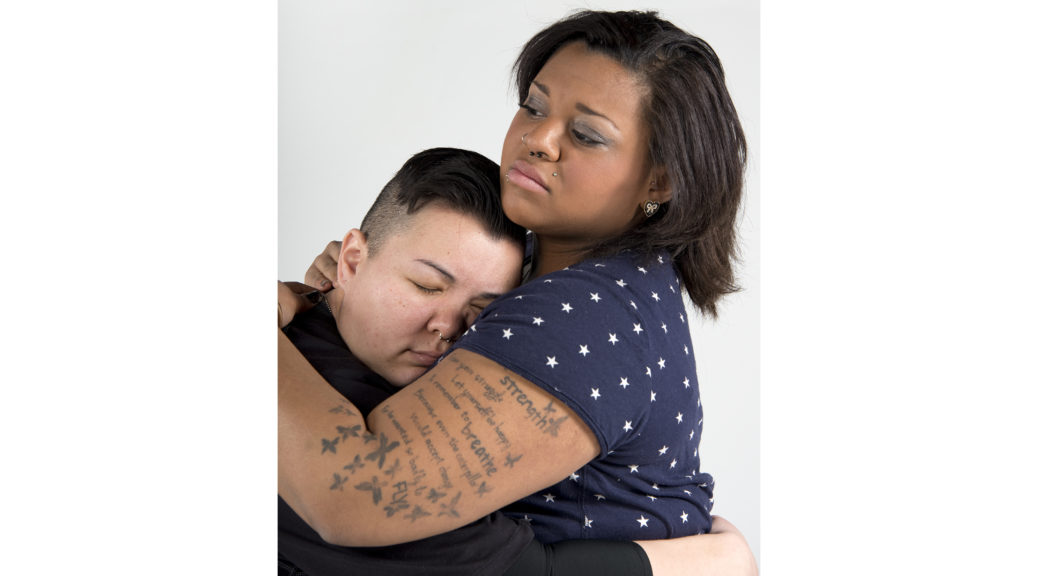
Tips for Showing Empathy: Strategies for Becoming More Empathic

Nonverbal Communication

  • Listen to what is not being said. Pay attention to the nonverbal cues being sent by you and the other person.
  • Face the person. Keep your body posture relaxed and open. Lean toward the person.
  • Maintain eye contact. Mimic their facial expressions –be careful that your expression is not blank or frowning.
  • Physical contact, such as a hug or touching the person’s arm, may be helpful.
  • Recognize what you are feeling, especially negative feelings.

Verbal Communication

What to Say:

  • If possible, talk in a place that is comfortable and will have minimal interruptions.
  • Allow the person to talk uninterrupted.
  • Ask open-ended questions. This lets the person know that you’re willing to listen. Example – How are you doing with this? Would it help to talk about this? Is there something troubling you? What are you feeling?
  • Use a pleasant tone of voice.
  • Statements you might say:
    • “You seem worried.”
    • “I see why you are concerned about this.”
    • “Tell me more about what is worrying you.”
    • “I will be here for you.”
    • “It sounds like you are feeling…(fill in the blank).”

What Not to Say:

  • Do not try to fix the problem, interpret or analyze what is happening, or argue.
  • Do not preach, lecture, judge, blame or criticize. Avoid saying “should” or “ought to.”
  • Do not minimize their fears by saying, “It will be fine” or “you’ll be OK” or “at least it isn’t…”

Communicating About Cancer Series Info

This research project was funded by a grant from the National Cancer Institute (CA144235; Dr. Wayne Beach, San Diego State University, Principal Investigator). Co-investigators included Dr. David Dozier from San Diego State University, and Mary Buller, Dr. Valerie Myers, and Dr. David Buller from Klein Buendel, Inc.

Expressing Empathy: Part 2

Expressing Empathy: Part 2

Empathy in Patient/Doctor Relationships

*Names have been changed to protect privacy.*

Carl Patterson was with his elderly stepfather when he died from acute lymphatic leukemia. Tom had been a laid-back, easy going man who made friends easily and preferred to have a glass of wine than worry about small details. Carl, on the other hand, was detail-oriented and had been looking after his stepfather’s affairs for years.

Tom wanted to donate his body to a local university for medical research. In most cases, if a body is not received promptly after death, research organizations will refuse the donation. Carl knew this. So he grew impatient when hours passed after his stepfather died and the doctor, who needed to process the paperwork to release Tom’s body, didn’t appear. Carl repeatedly questioned the nurses. The nurses repeatedly paged the doctor. When she arrived, the doctor told Carl, “I have more important things to do with the living than with the dead.” Carl was stunned. “He had just died,” he said. “Her bedside manner didn’t exist.”

Numerous studies have found that empathy is often missing in doctor-patient communication. Expressing empathy can be even more difficult in situations involving conflict, anger, sadness or fear. These feelings are common on a cancer journey.  When medical professionals show empathy, patients feel more satisfied with the relationship. They also have more trust in their doctor, are less anxious about their condition, and are more likely to follow the doctor’s recommendations. Doctors feel better about their work too. Empathy is a learnable skill being taught more frequently in medical schools to help improve patient-doctor communication.

Read More Read More

Expressing Empathy: Part 1

Expressing Empathy: Part 1

“Empathy is really the opposite of spiritual meanness. It’s the capacity to understand that every war is both won and lost. And that someone else’s pain is as meaningful as your own.” – Barbara Kingsolver, author.

Katrine Bellamy thinks this story is funny. It’s the story of how people sometimes react when they hear about cancer. Katrine and her neighbor took turns walking the kids to and from school. But, on the day she learned her 9-year-old son had a brain tumor, she asked her neighbor to pick up the children. When Katrine arrived home, she saw her neighbor standing in the driveway, waiting for her. “She literally collapsed in my arms,” said Katrine. The distraught women cried as Katrine reassured her that everything would be alright. Katrine needed a friend who would listen. She ended up helping her friends cope with the news instead.

This is an article about empathy. It is easy to misunderstand the difference between sympathy and empathy. When you have sympathy you have compassion for another person and acknowledge their hardship. Empathy is when you understand and feel another person’s feelings for yourself; it is a mutual experience of feeling. With empathy you “put yourself in their shoes.”

Read More Read More