Browsed by
Tag: Intoxication

An Observational Study of Alcohol and Cannabis Sales

An Observational Study of Alcohol and Cannabis Sales

Klein Buendel Senior Scientists, Drs. W. Gill Woodall and David Buller, presented recent research findings on sales of cannabis to intoxicated patrons at the 10th Annual Scientific Meeting of the Research Society on Marijuana in Albuquerque, New Mexico in July, 2026.

Adult-use recreational cannabis stores in Oregon had a low rate of compliance with a state law prohibiting sales to apparently intoxicated customers. This analysis explored two potential explanations for this low compliance: geographic distance between alcohol and cannabis premises as a proxy for the influence of the alcohol market and socioeconomic disadvantage of the neighborhoods.

Research assistants displaying behavioral signs of alcohol intoxication visited adult-use cannabis stores (n=189) and alcohol outlets for on-premises and off-premises consumption (n=91) in 2024 and 2026 in two large metropolitan areas in Oregon and attempted to purchase cannabis or alcohol (0=no sale; 1=sale). Effects of distance between pair-mates and Neighborhood Deprivation Index (NDI) were tested as predictors of correspondence in sales behavior (both sold or both refused) among pairs of cannabis stores and alcohol outlets using crossed random-intercept generalized linear mixed models.

Assessments were completed at 166 cannabis stores (n=16 closed stores and n=7 distance outliers were excluded) and 89 alcohol outlets (n=2 closed outlets excluded) (n=10,847 pairs). A majority of cannabis stores (77.1%) and off-premises alcohol outlets (63.4%) sold to pseudo-intoxicated buyers, while refusals were more frequent at on-premises (60.4%) than off-premises (36.6%) alcohol outlets. Proximity of cannabis stores and alcohol outlets was associated with more concordance in sales behavior between pairs of cannabis stores with off-premises and on-premises alcohol outlets. NDI had no effect on concordance in sales behavior.

The well-established alcohol market in Oregon may influence whether cannabis stores comply with state laws on responsible sales behavior, due to common regulators and enforcement actions and store owners and personnel with experience selling alcohol. Contacts and competition among alcohol and cannabis premises and neighborhood expectations also may influence cannabis store sales behavior.

This research was supported by a grant from the National Institute on Alcohol Abuse and Alcoholism (AA031591; Drs. W. Gill Woodall and David Buller, MPI). Collaborating authors include Dr. Robert Saltz from the Pacific Institute for Research and Evaluation; Dr. James Fell from Fell Consulting; Dr. Ian Buller from DLH; Dr. Gary Cutter from the University of Alabama Birmingham; and Noah Chirico, Lila Martinez, and Amanda Brice from Klein Buendel.
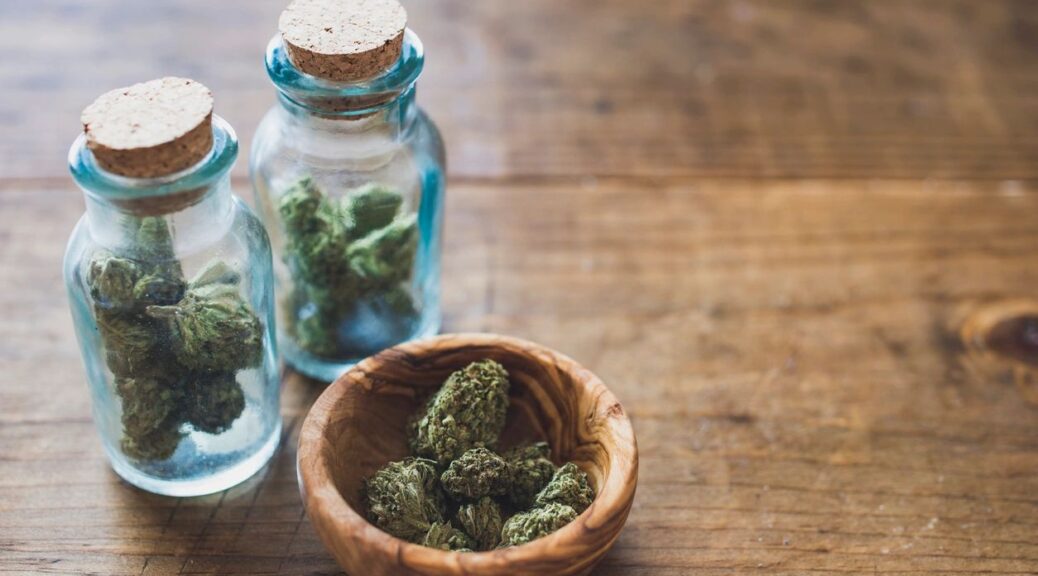
Proximity of Alcohol Establishments and Sales of Cannabis to Intoxicated Customers

Proximity of Alcohol Establishments and Sales of Cannabis to Intoxicated Customers

A multi-disciplinary research team led by Klein Buendel presented data from an active polysubstance (alcohol and cannabis) project at the 48th Annual Research Society on Alcohol Scientific Meeting on June 21-25, 2025 in New Orleans, Louisiana.

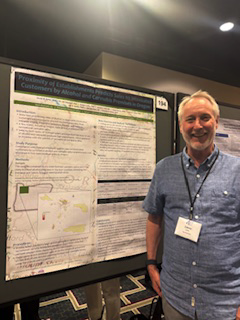
Dr. David Buller presenting poster

State laws prohibiting sales of alcohol to apparently intoxicated customers are intended to prevent morbidity/mortality from impaired driving, impulsive behaviors, injuries, and violence. A few states (including Oregon) have similar prohibitions for recreational cannabis sales. Compliance with state prohibitions against sales to intoxicated customers by co-located alcohol and cannabis sales establishments was examined in two metropolitan areas in Oregon.

In 2024, actors trained to feign alcohol intoxication visited state-licensed recreational cannabis stores in four counties containing Portland and Salem metropolitan areas and attempted to purchase a low-cost cannabis product while displaying alcohol intoxication. These same actors assessed sales of alcohol products at licensed on-site and off-site alcohol premises located near cannabis stores, using the pseudo-patron protocol. Concordance in refusals (1=both establishments refused vs. 0=else) and concordance in sales (1=both sold vs. 0=else) and point-to-point distances (in kilometers) between alcohol premises and each cannabis store were calculated.

Pseudo-patron teams consisting of a buyer feigning intoxication and an observer assessed 173 cannabis stores and 39 alcohol premises, resulting in 6,747 pairs of establishments. Logistic regression revealed that concordance in refusals (regulatory compliance) was higher in pairs of establishments that were located closer together rather than farther apart. Concordance in sales (regulatory non-compliance) was higher in pairs of establishments that were farther apart rather than closer together, even when examining pairs within the same city and county.

Neighborhood influences on alcohol and cannabis use may arise from the consistency of responsible sales behavior of co-located retailers. When both alcohol and cannabis establishments fail to refuse sales to intoxicated customers, use of alcohol and cannabis and accompanying harms may increase, especially from co-use which can result in high impairment. Community norms associated with, for example, social class or presence of children or regulators’ enforcement efforts may determine similarity in compliance. Responsible vendor training requirements or additional enforcement efforts might reduce co-location effects (neighborhood differences). The small number of alcohol premises and single state somewhat limited the study.