Browsed by
Tag: Conference Presentation

Technology, Social Media and Behavior Change

Technology, Social Media and Behavior Change

Klein Buendel (KB) Senior Scientist, Dr. Valerie Myers, was an invited presenter at The Colorado Cancer Coalition Annual Symposium held November 8-9, 2018 in Lakewood, Colorado. The mission of the Coalition is to eliminate the burden of cancer in Colorado. This year’s symposium, Elevating Personalized Cancer Care in Colorado, shared updates on innovative cancer care in Colorado and provided education and networking opportunities for professionals who work in cancer prevention, control, treatment, and survivorship.

Dr. Myers spoke about Technology, Social Media and Behavior Change in a session on Using Technology and Social Media to Advance Your Mission. She addressed multiple types of mHealth and eHealth technologies and the research behind their use in implementing health behavior change programs. Using her active research project Caminemos Juntas as an example, she was able to showcase how a smartphone app like Caminemos Juntas can be used to help Latina women overcome barriers to physical activity.

Dr. Myers said, “The benefit of technologies and digital health tools is that they have the capacity to be used in the real world with real people. That is their appeal.” She also stressed the importance of the use of digital technologies saying, “People who normally wouldn’t have access to empirically based and theory driven interventions now have access to them, so it really promotes the ability for scale up. I think this is where individual clinical trial-based health and public health come together really well, because you can translate what’s been done in rigorous trials and get it to the people to see if you can move the needle on these health behaviors.”

In addition to its importance, Dr. Myers said that digital health technologies such as mHealth and eHealth are “the way to get interventions in the hands of people that may never have been exposed to this messaging. If it can reach those individuals who have been neglected traditionally by health intervention and also meet people in a place where they feel comfortable and safe and are ready for change, then that excites me.”

KB scientists and staff have been active members of the Colorado Cancer Coalition and its Skin Cancer Task Force for over a decade.

Nightlife Safety Research

Nightlife Safety Research

Dr. Brenda Miller from the Pacific Institute for Research and Evaluation (PIRE) gave a presentation at the 9th Conference and Members’ Meeting of the European Society for Prevention Research (EUSPR) in Lisbon, Portugal, October 24-26, 2018. EUSPR “promotes the development of prevention science, and its application to practice so as to promote human health and well-being through high quality research, evidence based interventions, policies, and practices.” The research presented by Dr. Miller was designed and conducted in collaboration with scientists and staff from Klein Buendel (KB).

The study of nightclub patrons and their social drinking groups, tests an intervention called Nightlife Safety Plans (NSP). NSP is designed to reduce escalation of overuse of alcohol and drugs, physical aggression, and sexual aggression during an evening at the club. NSP relies on social groups that arrive at the club together to identify early signs of problems and to take actions to intercede. The actions are: Outreach, Options, and Out.

Data analyzed in this presentation consisted of 352 groups (961 participants) gathered over 41 Friday and Saturday nights at seven different clubs in the Bay Area of California. Data from online surveys, alcohol breath tests, and biological drug tests (post-test only) were gathered at entrance and exit for pre- and post-test assessments of the intervention effects. Biological measures reveal at least one club patron per group was legally intoxicated (Breath Alcohol Concentration—BAC, >.08%) in 60% of groups and at least one patron was positive for drugs in 50% of the groups. Further, at least one club patron per group experienced physical and/or sexual aggression within 40% of the groups.

Results indicated that experimental groups were significantly more likely to intervene with group members, using a significantly higher number of intervention strategies (Outreach, Options, and Out), to assess situations for physical aggression and sexual harassment, and to respond to friends experiencing sexual harassment. Further, experimental groups used significantly more protective strategies to keep group members safe. Reduced levels of alcohol use and intoxication or impairment (BAC > .05), as assessed by breath tests, were found among the groups in the experimental as compared to the control condition.

In summary, groups provide an opportunity to deliver and implement peer-focused safety strategies to enhance safety during the time spent in the club. The research’s focus on clubs also reaches young adults who are working (two-thirds were not in college), whereas many of these types of interventions are targeted toward college students.

This research was funded by a grant from the National Institute on Alcohol Abuse and Alcoholism (AA022331; Dr. Brenda Miller, Principal Investigator). Collaborators included Veronica Rogers, Dr. Hilary Byrnes, Dr. Mark Johnson, and Dr. Joel Grube from PIRE; and Dr. David Buller and Julia Berteletti from KB.


Skin Cancer Awareness and the Great Outdoors

Skin Cancer Awareness and the Great Outdoors

In July, Klein Buendel (KB) teamed up with the Colorado Skin Cancer Task Force (CSCTF) and Rocky Mountain Sunscreen (RMS) for the first time in the summer to raise awareness about UV radiation and skin cancer prevention at the new-to-Denver Outdoor Retailer Summer Market at the Colorado Convention Center.

For nearly a decade, KB and the CSCTF partnered with RMS at the winter SnowSports Industries America Snow Show every January to show outdoor retailers that practicing sun safety is just as important in the winter months as in the summer months. Now we can access hundreds of outdoor retailers in the summer months in Denver, too, with the arrival of the Outdoor Retailer Summer Market.

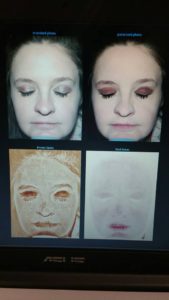
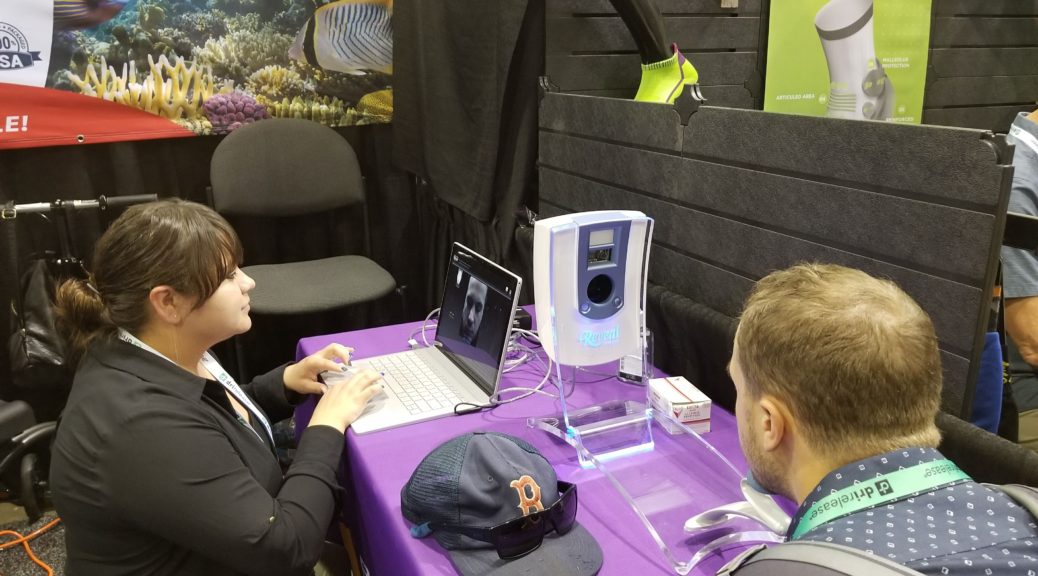
Skin cancer prevention is particularly relevant for members of the outdoor retailer industry because they work and promote recreation in high UV environments, like mountains, deserts, lakes, and oceans. In addition to providing sun safety and skin cancer awareness information, the booth offered a unique opportunity for attendees to have a UV-damage photograph taken of their face with the Reveal Imager. The Reveal Imager by Canfield has the ability to capture damage caused by the sun’s UV rays that are invisible to the naked eye. Participants reported that seeing this type of photograph of themselves is a helpful visual reminder to practice sun safety all year long to reduce their risk of additional sun damage.

Per their website, “the Outdoor Retailer Summer Market is North America’s largest tradeshow in the outdoor industry drawing attendees from around the world. Summer Market is all about face-to-face—it’s where products are shown, orders are written, new accounts are found, connections are made and brands are launched. This show is about buying, sourcing, strategic meetings, trend, education and networking with decision makers, influencers, stakeholders, key buyers and athletes that influence the outdoor market.”

Over the course of the multi-day event, KB staff took dozens of photographs with the UV camera. Other members of the CSCTF (including Colorado dermatologists and dermatology interns) answered questions, distributed sun safety materials, and performed skin examinations. This event is part of the annual outreach and education efforts of the CSCTF. KB has been an active member of the CSCTF for over 10 years.

Effects of the Sun Safe Workplaces Program

Effects of the Sun Safe Workplaces Program

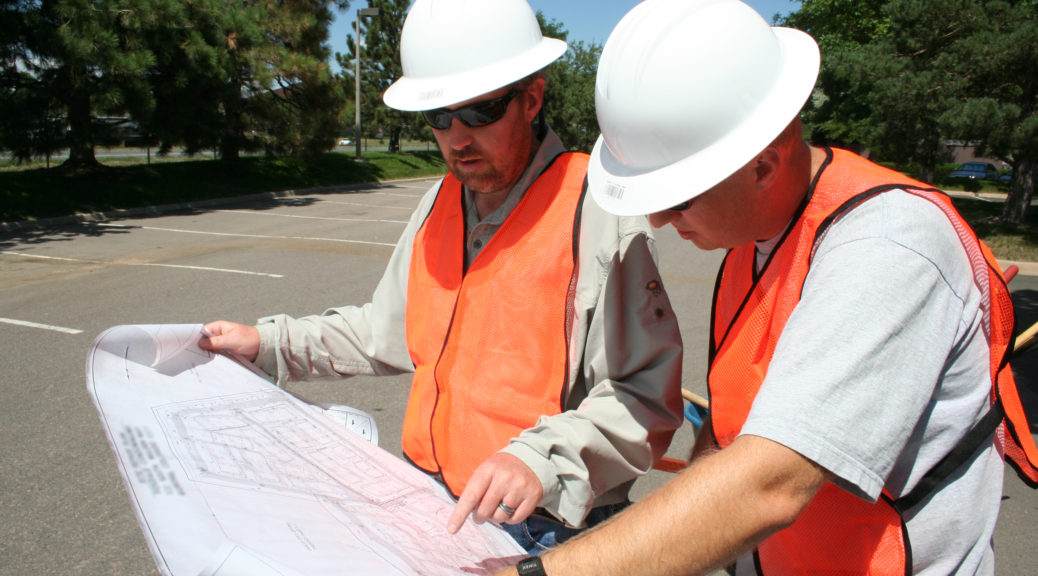
Occupational skin cancer prevention is an international priority. People who work outdoors are routinely exposed to high levels of ultraviolet radiation (UV), the primary risk factor for skin cancer. Dr. Barbara Walkosz from Klein Buendel presented findings from the Sun Safe Workplaces project and a follow-up assessment at the 68th Annual Conference of the International Communication Association in Prague, Czech Republic, May 24-28, 2018.

Sun Safe Workplaces (SSW) was a communication theory-based workplace sun safety program for public organizations that employ people who work outdoors. Examples of outdoor work include road and bridge work, parks and recreation facilitation, sanitation and water works, and public safety. The original SSW project promoted the adoption of workplace sun safety policies in the public organizations and provided training in personal sun protection for outdoor workers in a randomized controlled trial. The follow-up study assessed the impact of SSW on employee sun safety behavior.

Sixty-one of the 98 public employers from the original study participated. Managers and line supervisors reported program implementation. A total of 1,784 outdoor workers (913 from the intervention group and 871 from the control group) completed surveys on personal sun protection practices.

In summary, employees’ sun protection improved statistically significantly in the intervention group receiving the SSW program. SSW’s effect on employee sun protection was mediated by the number of workplace actions to implement elements of sun safety policy including sun protection messages and equipment in the workplace and employee reports of training in sun safety.

This research was funded by a grant from the National Cancer Institute (RO1CA187191; Dr. David Buller, Principal Investigator). In addition to Dr. Walkosz and Dr. Buller from Klein Buendel (KB), collaborators/co-authors included Mary Buller from KB; Dr. Allan Wallis from the University of Colorado Denver; Dr. Richard Meenan from the Kaiser Permanente Center for Health Research; Dr. Michael Scott from Mikonics, Inc.; Dr. Peter Andersen from San Diego State University; and Dr. Gary Cutter from the University of Alabama, Birmingham.

Cost of Occupational Sun Protection Policy Intervention Delivery

Cost of Occupational Sun Protection Policy Intervention Delivery

Dr. Richard Meenan presented cost analysis data from the Sun Safe Workplaces project at the 4th International Conference on UV and Skin Cancer Prevention in Toronto, Canada May 1-4, 2018. His presentation focused on an estimated cost of delivering a sun protection policy intervention to public-sector employers in Colorado. The cost of occupational skin cancer prevention interventions poses challenges for organizations delivering interventions and employers that implement sun protection for outdoor workers.

The Sun Safe Workplaces (SSW) intervention promoted occupational sun protection policies and education to 98 public-sector employers in a randomized controlled trial. Intervention components included in-person meetings and follow-up contact by email and telephone with senior managers, in-person trainings for employees, and printed educational materials sent to the workplace. Using a micro-costing approach, costs to the intervening organization were determined from the project accounting system supplemented by external sources. Costs to employers were estimated from responses to semi-structured interviews in a two-year follow-up with 34 senior managers on implementing sun protection education and other actions to support employee sun safety and were presented at the conference. Employers incurred highest average costs for implementing onsite sun safety training, primarily the estimated value of employee time in attendance.

Costs to employers are likely a barrier to acting on skin cancer prevention. In the SSW trial, employers appeared to incur more costs than the intervening organization. Strategies to control employer costs should be considered when designing occupational skin cancer prevention interventions. Costs will be used to determine: (1) the incremental cost of the SSW intervention (ignoring development and research costs) and (2) the incremental cost of the employers’ skin cancer prevention education and policy adoption actions induced by the SSW intervention.

This research was funded by a grant from the National Cancer Institute (RO1CA187191; Dr. David Buller, Klein Buendel, Principal Investigator). Collaborators include Dr. Barbara Walkosz, Rachel Eye, and Mary Buller from Klein Buendel; Dr. Richard Meenan from the Kaiser Permanente Center for Health Research in Portland, Oregon; and Dr. Allan Wallis from the University of Colorado Denver.

Klein Buendel was one of the North American hosts of the UV 2018 conference. The conference was organized by a joint planning committee of skin cancer prevention experts in Canada and the United States from Ryerson University in Toronto, the Canadian Dermatology Association in Ottawa, and Klein Buendel in Denver.

Sun Safety Ink!

Sun Safety Ink!

Dr. Robert Dellavalle presented Sun Safety Ink! at the 4th International Conference on UV and Skin Cancer Prevention in Toronto, Canada May 1-4, 2018. His presentation focused on formative research conducted by Klein Buendel and the University of Colorado Denver to develop a skin cancer prevention training program for tattoo artists.

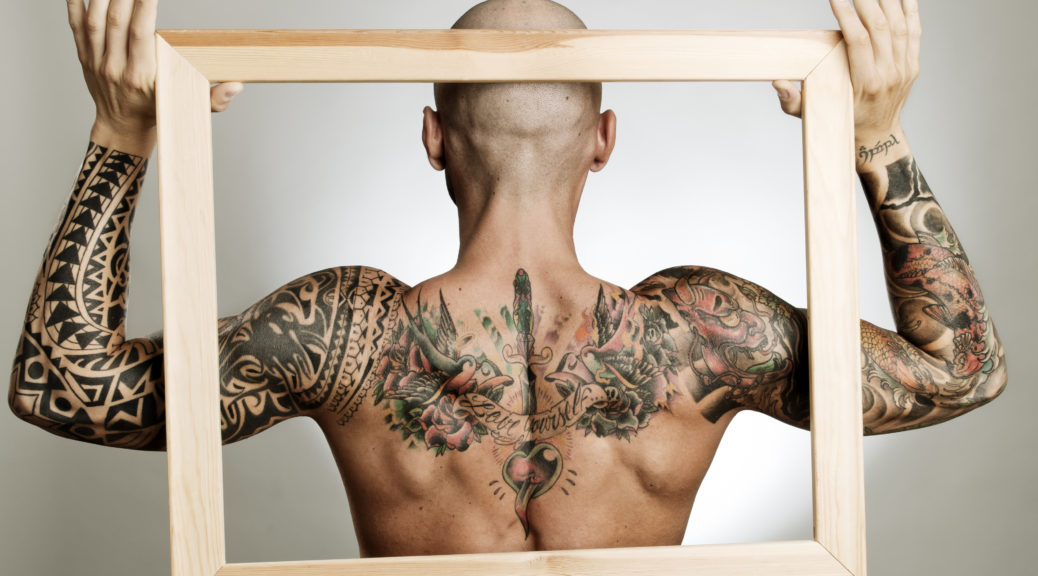
Twenty-five percent (25%) of American adults have a tattoo, and higher rates are found among younger generations. Sun safety promotions to young adults are significant because risk factors are elevated for this population. Tattoo artists may be ideal sources for delivering effective sun safety interventions to this hard-to-reach, at-risk population because sun safety is recommended for tattoo aftercare and the long-term.

Semi-structured interviews with tattoo artists and focus groups with tattooed individuals gathered input on the design of the Sun Safety Ink! (SSI!) online training program for tattoo artists. Tattoo artists had limited knowledge of skin cancer but reported that they alert clients if they observe skin abnormalities. All artists provided written and verbal aftercare instructions that included sun safety recommendations, but only for tattoos. Artists were interested in the SSI! training program. They suggested the use of video training scenarios to help artists learn to communicate with clients and that information about skin cancer (such as statistics and causes), conversation starters, and examples of sun safety practices be included.

Focus group participants had low levels of sun protection. Participants reported most artists do not discuss health topics but were positive about receiving skin cancer prevention messages, especially during lengthy tattoo sessions. Participants noted that sun safety advice from an artist might make a difference in protecting all of their skin not just tattoos. They recommended that artist deliver sun protection information multiple times while the client is getting the tattoo, during follow-up visits, by text message, in aftercare instructions with pictures or skin cancer facts, and via social media.

Both artists and clients were supportive of SSI! Artists are viewed as a trusted source of information and have the potential to impact clients’ sun safety practices. Suggestions regarding training content and format will be incorporated into an online training for tattoo artists.

This research was funded by a grant from the National Cancer Institute (R01CA206569; Dr. Barbara Walkosz and Dr. Robert Dellavalle, Multiple Principal Investigators). Collaborators include Dr. Barbara Walkosz, Dr. David Buller, Mary Buller, Rachel Eye, and Savanna Olivas from Klein Buendel; and Dr. Dellavalle from the University of Colorado, Denver.

Klein Buendel was one of the North American hosts of the UV 2018 conference. The conference was organized by a joint planning committee of skin cancer prevention experts in Canada and the United States from Ryerson University in Toronto, the Canadian Dermatology Association in Ottawa, and Klein Buendel in Denver.

Costs of Sun Safety Policy Implementation in California Elementary Schools

Costs of Sun Safety Policy Implementation in California Elementary Schools

Dr. Richard Meenan is presenting cost analysis data from the Sun Safe Schools project at the 4th International Conference on UV and Skin Cancer Prevention in Toronto, Canada May 1-4, 2018. His presentation focuses on the estimated costs of delivering a sun protection policy intervention to public elementary schools in California.

Implementation of sun safety practices is an important element of efforts by elementary schools to prevent skin cancer among their students. However, cost can significantly impede such implementation. The Sun Safe Schools (SSS) trial provided technical assistance to 118 California public elementary schools interested in implementing sun safety practices consistent with district policy. Intervention components were primarily an initial intervention meeting with school administrators, and follow-up email and telephone communications. Schools chose from 47 possible practices to implement.

Using a micro-costing approach, intervention delivery costs to the intervening organization were determined from the project tracking database supplemented by external sources. Labor and non-labor practice costs incurred by schools were estimated using a project template, which three authors reviewed for reasonableness. The 47 practice codes were collapsed into ten categories, such as outdoor shade and parent outreach. The 58 intervention schools implemented a total of 128 practices. Thirty-seven schools implemented at least one practice. Most common practices were parent outreach, education of students, and teacher training. Data on the average cost of participating in the school-based sun safety intervention will be presented at the conference.

In summary, costs to schools may hinder action on implementation, so cost control strategies should be considered when designing school-based sun safety interventions. Next steps are to determine: (1) the incremental implementation cost of the SSS intervention and (2) the incremental cost of the schools’ sun safety education and policy adoption actions induced by SSS.

This research was supported by a grant from the Eunice Kennedy Shriver National Institute for Child Health and Human Development (R01HD074416; Dr. Kim Reynolds, Claremont Graduate University, Principal Investigator). Collaborators include Kim Massie from Claremont Graduate University in California; Dr. David Buller, Julia Berteletti, and Mary Buller from Klein Buendel; Dr. Richard Meenan from the Kaiser Permanente Center for Health Research in Portland, Oregon; and Dr. Jeff Ashley from Sun Safety for Kids in Los Angeles, California.

Klein Buendel is one of the North American hosts of the UV 2018 conference. The conference was organized by a joint planning committee of skin cancer prevention experts in Canada and the United States from Ryerson University in Toronto, the Canadian Dermatology Association in Ottawa, and Klein Buendel in Denver.

Sun Safe Schools Program Implementation

Sun Safe Schools Program Implementation

Ms. Kim Massie is presenting a poster on the implementation of the Sun Safe Schools project at the 4th International Conference on UV and Skin Cancer Prevention in Toronto, Canada, May 1-4, 2018. The poster focuses on the delivery of a sun protection policy intervention to public elementary schools in California.

The U.S. Surgeon General’s Call to Action to Prevent Skin Cancer in 2014 emphasized the importance of sun safety for schools; however, there is limited information on how to effectively assist schools in implementing sun safety. The Sun Safe Schools project was developed to provide technical assistance to 118 public elementary schools in California with the implementation of sun safety practices consistent with district board policy for sun protection (BP 5141.7). A trained coach worked with principals to select sun safety practices within policy categories, such as education of students and parent outreach, and develop their implementation plan. The coach recorded all reported intervention activities within a tracking database including practice selection date, policy category, practice description, and implementation date.

A variety of practices, such as posting the UV Index and providing sunscreen, were implemented at 58 intervention schools. Practices were predominately implemented in the first 12 months of the 20-month program. Most practices were implemented in the spring. Low periods of implementation coincided with summer and winter breaks in the school calendar. The most frequently implemented practices included distributing sun safety information to parents, arranging sun safety presentations for students, and providing a sun safety webinar to staff. Policy categories most frequently implemented included education of students, parent outreach, and education of teachers.

Overall, working with schools presents unique challenges for implementation of sun safety. To be effective, implementation assistance should be designed around the school calendar and allow the principal to determine the pace and priorities.

This research was supported by a grant from the Eunice Kennedy Shriver National Institute for Child Health and Human Development (R01HD074416; Dr. Kim Reynolds, Claremont Graduate University, Principal Investigator). Collaborators include Kim Massie and Brianne Freeth from Claremont Graduate University in California; Dr. David Buller, Julia Berteletti, and Mary Buller from Klein Buendel; and Dr. Jeff Ashley from Sun Safety for Kids, Inc. in Los Angeles, California.

Klein Buendel is one of the North American hosts of the UV 2018 conference. The conference was organized by a joint planning committee of skin cancer prevention experts in Canada and the United States from Ryerson University in Toronto, the Canadian Dermatology Association in Ottawa, and Klein Buendel in Denver.


Methodological Challenges of Social Media-Delivered Health Promotion Interventions

Methodological Challenges of Social Media-Delivered Health Promotion Interventions

Dr. Sherry Pagoto, SBM President-elect and KB Collaborator, was a co-presenter for a Behavioral Informatics and Technology Panel Discussion on social media health promotion at the 39th Annual Meeting and Scientific Sessions of the Society of Behavioral Medicine, April 11-14, 2018 in New Orleans, Louisiana. Dr. Pagoto shared methodological challenges related to participant recruitment, intervention content development, and intervention delivery for a Facebook intervention targeting mothers of teen daughters in order to reduce the incidence of indoor tanning. This project is currently being conducted by KB and several collaborators from the University of Connecticut, East Tennesee State University, and Colorado State University.

Social media platforms can be used to deliver health promotion interventions to wide audiences without the barriers that plague traditionally-delivered programs, such as geography, transportation, scheduling, and childcare. Because most people access their social media feeds daily, health programming can be delivered to populations who are not necessarily seeking help or are motivated to change. Despite these promising and unique features, designing studies to evaluate social media-delivered interventions involves methodological challenges for recruitment and participation. During the panel discussion, Dr. Pagoto shared some of our research project’s challenges, implications of alternative recruitment and engagement methods, and valuable lessons learned.

This research project is called “Likes Pins and Views: Engaging Moms on Teen Indoor Tanning Thru Social Media.” It is funded by a grant from the National Cancer Institute (RO1CA192652; Dr. David Buller, KB, Principal Investigator). Collaborators include Dr. Barbara Walkosz and Julia Berteletti from KB, Dr. Sherry Pagoto, Jessica Oleski, and Ashley Panzarino from the University of Connecticut, Dr. Katie Baker and Dr. Joel Hillhouse from East Tennessee State University, and Dr. Kim Henry from Colorado State University.

KB and Canada Host World’s Sun Safety Experts

KB and Canada Host World’s Sun Safety Experts

How can sun safety messages convince travelers to seek shade and cover up in the sun on vacation? How can the built environment help increase sun safety by maximizing access to shady areas? How can the use of Big Data drive people to be more “sun smart”?

These and many other issues will be front and center at the 4th International Conference on UV and Skin Cancer Prevention at Ryerson University in Toronto, May 1-4. Held in different countries around the world – the 2015 event was in Sydney, Australia – the International Conference on UV and Skin Cancer Prevention highlights the best in public health and community-based approaches to educating the public about the importance of UV protection.

“This fourth conference really aims to disrupt current ways of thinking in the field of skin cancer prevention by sparking new ideas, proposing new intersections between disciplines, and fostering new connections and collaborations,” said Ms. Mary Buller, conference organizer and Owner and President of Klein Buendel, a Golden, Colorado-based health communication research company whose investigators have been conducting skin cancer prevention research since the early 1990s.

While preventing skin cancer is the galvanizing theme of the conference, sessions cover topics ranging from urban planning, architectural design, public health and radiation science. The common goal is to increase public awareness – and public action – on the need for increasing shade and maximizing sun protection, not just during leisure pursuits, but also in the workplace.

“The sun is a workplace hazard that can cause skin cancer, heat stress and eye damage, yet these conditions are preventable with an increase in awareness,” said Dr. Thomas Tenkate, conference organizer and Director of the School of Occupational and Public Health at Ryerson University.

Read More Read More