Browsed by
Tag: Conference Presentation

KB Research Presented at SBM

KB Research Presented at SBM

*Klein Buendel authors are bolded.

Title: Applying Body Neutrality Principles to Physical Activity Promotion: A Pilot Test of the Body Neutrality Playbook 

Presenter: Dr. Kayla Nuss 

Collaborators: Anne Poirier, Amanda Brice, Sierra Held, Taylor Sullivan, Noah Chirico

This pilot study examined preliminary effects of the Body Neutrality Playbook on physical activity behavior, Self-determination Theory (SDT) motivation, and body image–related constructs in women insufficiently active at baseline. 

Body image concerns and weight stigma can undermine motivation for physical activity, particularly among women not meeting public health recommendations. The Body Neutrality Playbook is a six-week, self-guided workbook grounded in body neutrality principles, designed to promote sustainable physical activity by fostering autonomous motivation, self-compassion, and body appreciation while reducing harmful appearance-based cognitions. 

Twenty adult women completed the Body Neutrality Playbook over six weeks. Measures were collected at baseline and post-intervention, including self-reported weekly minutes of moderate-to-vigorous physical activity (MVPA), physical activity intention, physical activity planning, SDT-based motivation (intrinsic, integrated, identified, introjected, external), basic psychological needs satisfaction (competence, autonomy, relatedness), body functionality appreciation, body compassion (body kindness, motivated action, common humanity), internalized weight bias, and physical appearance comparison. Analyses examined mean change scores and Cohen’s d effect sizes to assess preliminary intervention impact. 

Post-intervention, participants demonstrated meaningful increases in MVPA minutes per week, physical activity intention, and physical activity planning. SDT outcomes showed increased competence and autonomy, decreased introjected regulation, and increased integrated regulation and intrinsic motivation. Body image–related outcomes indicated increases in body appreciation, decreases in physical appearance comparison, and improvements in two of three body compassion subscales (body kindness and motivated action). Effect sizes for these changes were in the small-to-large range, suggesting practical significance despite the small sample. 

Preliminary findings suggest the Body Neutrality Playbook may promote both autonomous physical activity motivation and positive body image while reducing appearance-based self-comparisons among women who are insufficiently active. The combination of body neutrality principles and SDT-informed behavior change strategies may address both psychological and behavioral barriers to physical activity. Future research with larger, more diverse samples and a controlled design is warranted to evaluate efficacy and mechanisms of change. 

This research was sponsored by Klein Buendel and led by Dr. Kayla Nuss. Anne Poirier is from Shaping Perspectives.

Title: Delivering online parent training program usage data in real-time: the iterative development of an administrative dashboard  

Presenter: Julia Berteletti 

Collaborators: Dr. Susie Breitenstein, Dr. Nathan Helsabeck, Dr. Kayla Herbell, Charlie Barger, Alishia Kinsey 
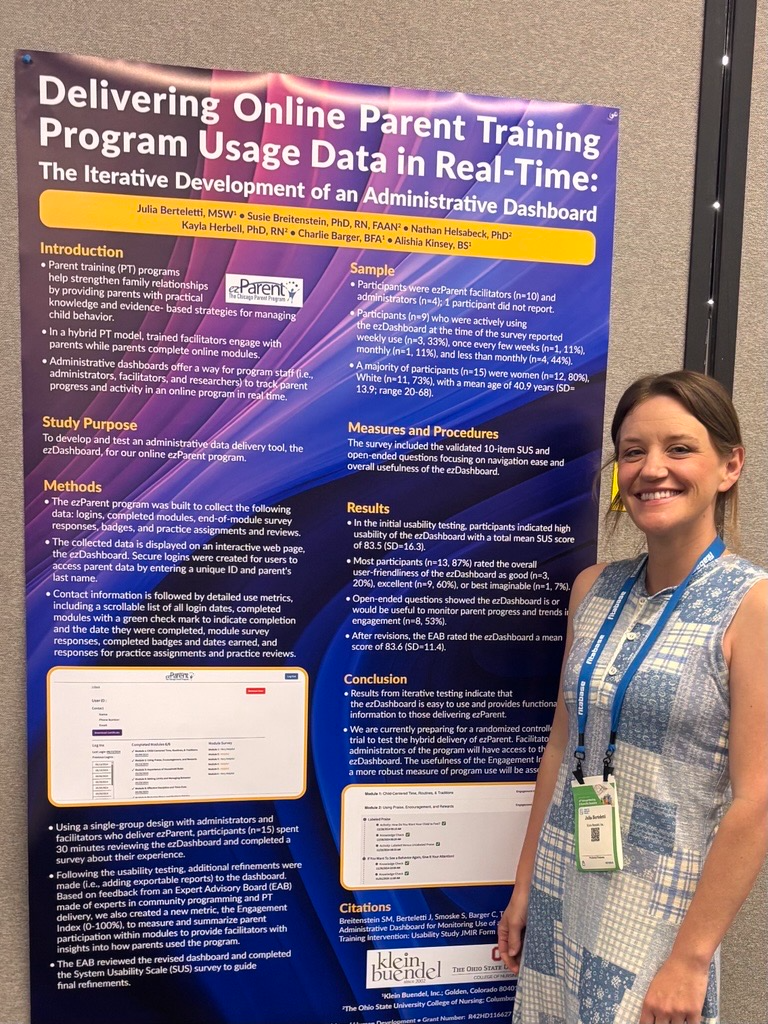
Julia Berteletti

Online parent training programs help strengthen parent-child relationships by providing parents with practical knowledge and evidence-based strategies for managing child behavior. In a hybrid parent training model, facilitators engage with parents while parents complete online modules. Administrative dashboards offer an integrated platform for program staff (administrators, facilitators, researchers) to track parent progress and activity in online parent training modules in real time. 

The research team iteratively developed and tested an administrative data delivery dashboard of the online ezParent Parent Training program. Using a single-group design with administrators and facilitators who deliver ezParent, 15 participants spent 30 minutes reviewing the ezDashboard and completed a survey about their experience. The survey included the validated 10-item System Usability Scale (SUS) and open-ended questions focusing on navigation ease and overall usefulness of the ezDashboard. Following the usability testing, we made additional refinements (adding exportable reports) to the dashboard. Based on feedback from an Expert Advisory Board (EAB) made of experts in community programming and parent training delivery, we also created a new metric, the Engagement Index, to measure and summarize parent participation within modules to provide facilitators with insights into how parents used the program. The EAB reviewed the revised dashboard and completed the SUS survey. Final refinements have been completed. 

In the initial usability testing, participants indicated high usability of the ezDashboard with a total mean SUS score of 83.5. Most participants (n=13, 87%) rated the overall user-friendliness of the ezDashboard as good (n=3, 20%), excellent (n=9, 60%), or best imaginable (n=1, 7%).  Open-ended questions showed the ezDashboard is or would be useful to monitor parent progress and trends in engagement (n=8, 53%). To facilitate that, we created the Engagement Index (0-100% per module) to assist facilitators’ understanding of how parents interact with ezParent. After revisions, the EAB rated the ezDashboard as 83.6. 

Results from iterative testing indicate that the ezDashboard is easy to use and provides functional information to those delivering ezParent.  Next, the ezDashboard will be used in a randomized controlled trial testing hybrid delivery of ezParent. The usefulness of the Engagement Index as a more robust measure of program use will be assessed.  

This STTR grant was awarded to Klein Buendel by the Eunice Kennedy Shriver National Institute of Child Health and Human Development (HD116627; Dr. Susan Breitenstein, Principal Investigator from Ohio State University). Research collaborators include Julia Berteletti from Klein Buendel, and Dr. Amie Bettencourt and Dr. Deborah Gross from Johns Hopkins University.

The ezParent technology was designed and programmed by the Creative Team at Klein Buendel. 

Evaluation of Go Sun Smart Georgia

Evaluation of Go Sun Smart Georgia

The evaluation results of a workplace sun safety research project were presented at the 18th Annual Conference on the Science of Dissemination and Implementation in Health held December 14-17, 2025, in Washington, DC. Dr. Cam Escoffery from Emory University was the presenting author. The presentation complemented the conference theme of “Realizing the Benefits of Dissemination & Implementation Science.”

The study enrolled seven local public employers in Georgia in 2024 and randomly assigned them to intervention (3 sites) or delayed intervention (comparison) group (4 sites), stratified by government type (municipal/county) and size (≥100/<100 employees). GSSG included training of peer coaches; written audit of the employers’ sun safety policies and practices; 45-minute online employee training; and a resource website. Program materials were adapted with culturally relevant language and imagery. GSSG was delivered over a four-month period in June-October. Implementation outcomes were collected via surveys and implementation logs: GSSG delivery, worksite sun safety policy adoption or modification, skin cancer and heat illness prevention practice use and penetration, and GSSG acceptability.

Two county governments and five municipalities (3 large, 2 small) in Southwest/East Georgia participated and 48 managers and 156 outdoor workers were assessed. Compared to the comparison group, outdoor workers in the intervention worksites had higher level of information about UV and heat protective behaviors; more workers recalled receiving skin cancer and heat training; and more reported sharing sun safety information from work at home. Uptake of GSSG policy components was slow; no sites requested a policy audit, one requested a model sun safety policy. Both managers and outdoor workers rated GSSG materials highly (an average of 4.29 out of 5 stars).

The adapted GSSG was well received and improved knowledge and sharing of sun safety practices among outdoor workers. Systematic adaptation of effective interventions for novel populations is important for increasing reach and impact of evidence in sun safety interventions and addressing disparities in cancer prevention.

This research was supported by a grant (U48DP006377) from the U.S. Centers for Disease Control and Prevention to the Emory University Prevention Research Center (Dr. Alex Morshed from Emory University and Dr. David Buller from Klein Buendel, Multiple Principal Investigators). Additional authors on the poster presentation included Mary Buller, Dr. Barbara Walkosz, and Irene Adjei from Klein Buendel; and Dr. Cam Escoffery, Helen Singer, April Hermstad, and Dr. Regine Haardörfer from Emory University. 

Dissemination & Implementation Conference

Dissemination & Implementation Conference

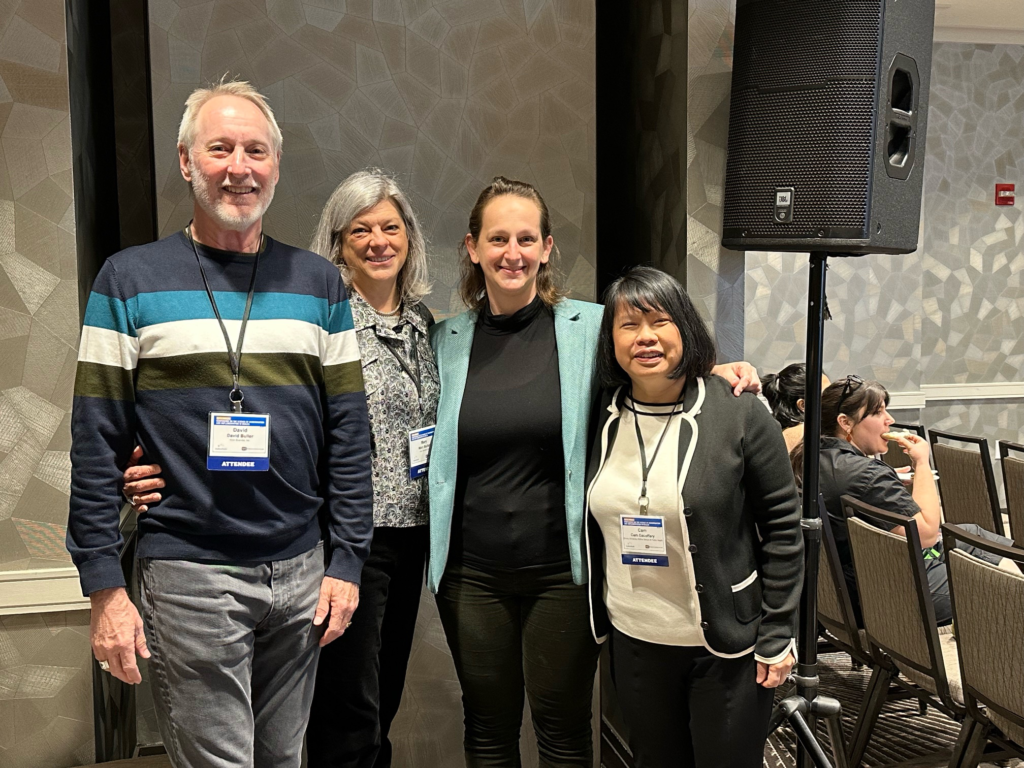
Three occupational sun safety projects were presented by collaborating researchers from Klein Buendel and Emory University at the 16th Annual Conference on the Science of Dissemination and Implementation in Health held December 10-13, 2023, in Washington, DC. Each presentation complemented the conference theme of “Raising Expectations for Dissemination & Implementation Science: Challenges and Opportunities,” by approaching occupational skin cancer prevention in a unique and challenging way.  

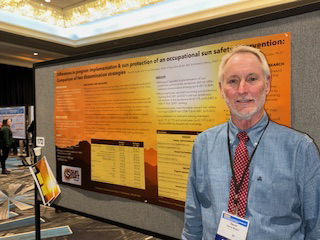
Poster 1 

Title: Differences in Program Implementation and Sun Protection of an Occupational Sun Safety Intervention: Comparison of Two Dissemination Strategies 

Presenter: Dr. David Buller, Klein Buendel 

Dr. David Buller

Balancing effectiveness and cost is essential when scaling up evidence-based interventions. In this study, two methods for disseminating an evidence-based occupational sun protection intervention that differed in cost and personal contact were compared. Solar ultraviolet radiation is a carcinogen associated with skin cancer. 

Sun Safe Workplaces (SSW), a policy and education intervention, was effective in a randomized trial in Colorado (1,2). Two methods for disseminating SSW were compared in a randomized pretest-posttest two-group trial design. State departments of transportation (DOTs; n=21) participated and the 136 districts within these DOTs were randomly assigned to receive SSW either by an in-person coaching method or a virtual coaching method. In each district, managers were pretested prior to randomization (n=1,484) and posttested (n=289) after 29-40 months (timing and attrition were affected by the COVID pandemic) on implementation of SSW training and communication and personal sun protection practices. Employees (n=1,388) also were posttested on training and communication implementation and personal sun protection practices. 

There was no difference in managers’ reported implementation of sun protection actions at the workplace between dissemination methods. But more employees reported receiving sun protection training in in-person (60%) than virtual (46%) dissemination method and being more favorable toward this training (in-person M=3.70, virtual M=3.60.) Managers at workplaces receiving SSW via in-person dissemination experienced fewer sunburns in the past year while working outdoors than with virtual program delivery (M=0.69 v. M=1.58 sunburns; estimate=-0.875, p<0.011), especially at workplaces receiving it before the pandemic compared to later in the pandemic (in-person=0.43, virtual=0.79). 

Effectiveness of evidence-based programs when scaled-up may be affected by the method of dissemination. Here, in-person coaching may have increased implementation of SSW training. It also may have aided coaches in convincing managers that there was a need for occupational sun safety and motivated them to avoid sunburn themselves and work to make employees see the value in training. The virtual delivery method may not have affected employees’ personal protection because they had limited contact with the coaches. Pandemic restrictions may have reduced intervention success. 

This research was supported by a grant (CA210259; Dr. David Buller, PI) from the National Cancer Institute at the National Institutes of Health. Coauthors on this poster presentation included Ms. Julia Berteletti and Ms. Mary Buller from Klein Buendel; Dr. Kimberly Henry from Colorado State University; Dr. Richard Meenan from Kaiser Permanente, and Dr. Gary Cutter from the University of Alabama. 

References 

  1. Buller, D. B., Walkosz, B. J., Buller, M. K., Wallis, A., Andersen, P. A., Scott, M. D., Eye, R., Liu, X., & Cutter, G. R. (2018). Results of a randomized trial on an intervention promoting adoption of occupational sun protection policies. American Journal of Health Promotion, 32, 1042-1053. 
  2. Walkosz, B. J., Buller, D. B., Buller, M. K., Wallis, A., Meenan, R., Cutter, G., Andersen, P. A., & Scott, M. D. (2018). Sun safe workplaces: Effect of an occupational skin cancer prevention program on employee sun safety practices. Journal of Occupational and Environmental Medicine, 60, 900-997. 

Presentation 1 

Title: Adaptation of an Evidence-based Occupational Sun Safety Program for Underserved Outdoor Workers in Southwest Georgia

Presenter: Dr. Alex Morshed, Emory University 

Dr. David Buller, Ms. Mary Buller, Dr. Alex Morshed, Dr. Cam Escoffery

African American and Hispanic workers face unique skin cancer risks from UV exposure and are underrepresented in occupational sun safety research. This presentation reported on adaptation of an existing evidence-based sun safety program—Go Sun Smart at Work—to predominantly African American and Hispanic outdoor workers in local government employers in Southwest Georgia. The adaptation is renamed Go Sun Smart Georgia.

The systematic adaptation process was informed by Dr. Cam Escoffery’s Key Adaptation Steps (1), Implementation Research Logic Model (IRLM) (2), and the Framework for Reporting Adaptations and Modifications (3). The original intervention promotes workplace policy and education to improve sun protection and was effective in a randomized trial in Colorado (4,5). The team mapped the program and delivery using IRLM and developed an adaptation tracking tool based on Rabin et al. (6) to catalogue and make decisions about potential adaptations. The team integrated multiple sources of information to identify compatible and feasible adaptations: consultation with program experts and community partners, qualitative data collection with outdoor workers and managers at two local government employers (Jul-Sep 2023), and synthesis of literature. 

The intervention includes training of peer coaches; written audit of employer sun safety policies, practices; employee training; and resource website (for example: training, sample policies, print materials, videos). In a pilot study with two local government employers, 11 employees identified by senior managers completed virtual 30-minute instruction to be peer coaches. Peer coaches delivered the sun safety training at staff meetings (21-39 employees per session). Several promising adaptations were identified, including modification of educational materials to better represent the worker population, addressing misconceptions, and use of external peer coaches at the workplace. Interviews with managers and focus groups with employees are in process.  

Adaptation of existing, effective interventions to better address population characteristics and needs can increase feasibility and scalability with employers throughout Georgia, which furthers dissemination and reach of existing evidence base for improving occupational sun safety and preventing cancer. 

This research was supported by a grant (U48DP006377) from the Centers for Disease Control and Prevention to the Emory University Prevention Research Center (Dr. Alex Morshed from Emory University and Dr. David Buller from Klein Buendel, MPIs). Coauthors on this oral presentation included Ms. Mary Buller, Dr. Barbara Walkosz, Ms. Irene Adjei, Mr. Brandon Herbeck, and Dr. David Buller from Klein Buendel; and Ms. Kayla Anderson, Dr. Cam Escoffery, and Radhika Agarwal from Emory University. 

References 

1.Escoffery et al. 2019. https://doi.org/10.1093/tbm/ibx067 

2.Smith et al. 2020. https://doi.org/10.1186/s13012-020-01041-8 

3.Wiltsey Stirman et al. 2019. https://doi.org/10.1186/s13012-019-0898-y 

4.Buller et al. 2017. https://doi.org/10.1177/0890117117704531 

5.Walkosz et al. 2018. https://doi.org/10.1097/JOM.0000000000001427 

6.Rabin et al. 2018. https://doi.org/10.3389%2Ffpubh.2018.00102 

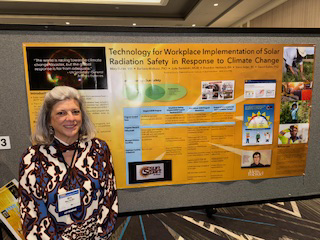
Poster 2  

Title: “Technology for Workplace Implementation of Solar Radiation Safety in Response to Climate Change” 

Presenter: Ms. Mary Buller, Klein Buendel 

Ms. Mary Buller

The sun’s energy is both life-saving and life-threatening. Americans who work outdoors are exposed to rising temperatures and extreme levels of ultraviolet radiation from the sun. These exposures, without preventive measures, can cause heat illness, skin cancer, and death. It is estimated that solar radiation contributed to over 350,000 deaths from excessive heat in 2019 and over 120,000 deaths from skin cancer in 2020. The U.S. government recently launched an interagency effort to combat extreme heat, including for persons who work outdoors, and the Surgeon General has identified occupational sun safety as part of a national priority for skin cancer prevention. 

Workplace interviews, a review of literature and existing programs, and expert consultants helped increase dissemination potential by expanding an intervention for occupational skin cancer prevention to include heat illness prevention. Content consultants included safety training professionals, behavioral scientists, and dermatologists. The program, Go Sun Smart at Work, also includes messaging for outdoor workers of all skin types and risk profiles for both heat illness and skin cancer to be delivered online through workplace learning management systems to improve its dissemination. It will be evaluated in 2024 in a randomized controlled trial enrolling 20 worksites, their managers, and outdoor employees. 

A virtual learning environment (VLE) has been programmed to disseminate and guide the implementation of comprehensive sun exposure reduction to workplaces. The VLE is a web-based program with a content database, a media platform for trackable employee training (compliant with eLearning standards), and an innovative, automated decision support tool. The tool is a chat bot-like program that customizes advice on adopting workplace policy and implementing prevention procedures to management’s readiness to innovate on sun safety based on Diffusion of Innovations Theory.  

Solar radiation prevention is urgently needed to help outdoor workers adapt to a warming world. Employers have been adopting virtual training rapidly to improve accessibility, resource and learning efficiency, engagement and information retention, and fidelity and trackability. Improvements in dissemination, training, and practice, as facilitated by this VLE, can save employers time and money, improve employee health behaviors, and reduce solar-related adverse events at work.  

This research was supported by a grant (CA257778; Ms. Mary Buller, PI) from the National Cancer Institute. Coauthors on this poster presentation included Dr. Barbara Walkosz, Ms. Julia Berteletti, Mr. Brandon Herbeck, Ms. Irene Adjei, and Dr. David Buller from Klein Buendel.  

KB Investigators Present at EUSPR

KB Investigators Present at EUSPR

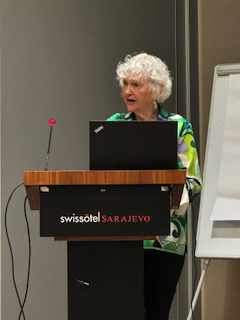
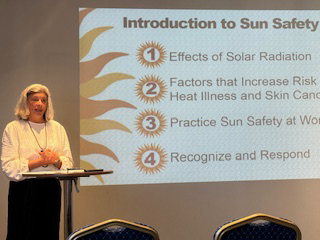
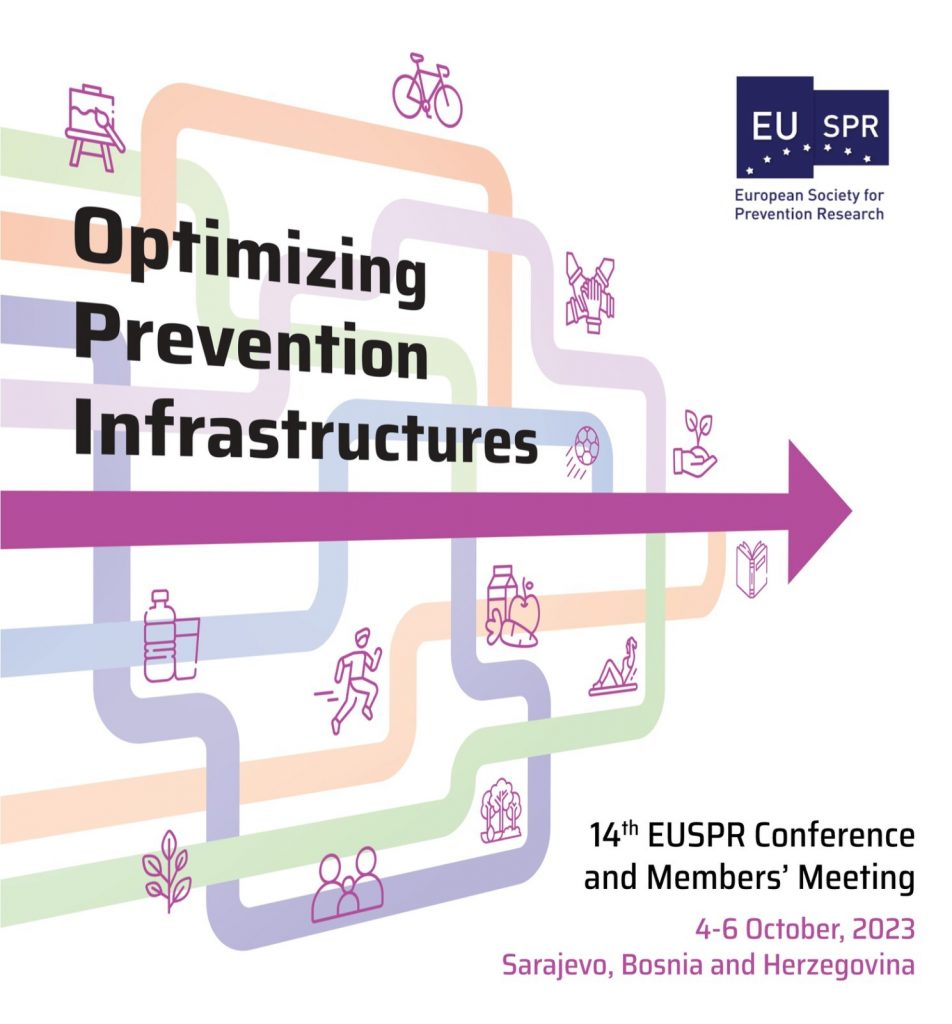
Three Klein Buendel Principal Investigators gave presentations on their recent or active research projects at the 14th European Society for Prevention Research Conference held October 4-6, 2023 in Sarajevo, Bosnia and Herzegovina. The presenters were Dr. David Buller, Director of Research, Dr. Barbara Walkosz, Senior Scientist, and Ms. Mary Buller, President. Each presentation complemented the conference theme of “Optimizing Prevention Infrastructures.” The prevention interventions were implemented in workplaces to reach their target populations directly and impactfully.   

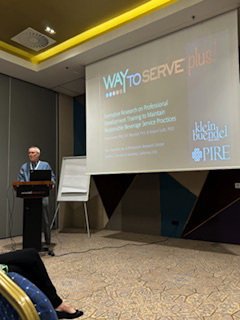
Presentation 1

Dr. David Buller

“Formative Research on Professional Development Training to Maintain Responsible Beverage Service Practices”

Improved interventions are needed to reduce the negative consequences of alcohol intoxication. Responsible beverage service (RBS) training has been effective at reducing service to intoxicated customers in some cases. Its efficacy might be improved with an intervention that supports RBS techniques in the years between government-required RBS retraining. We conducted formative research to develop an ongoing professional development component for an online RBS training.

Formative research explored feasibility, acceptability, and content for an ongoing professional development intervention for alcohol servers. Semi-structured interviews were performed with owners/managers of licensed establishments (n=10) and focus groups (n=19) and survey (n=24) with alcohol servers in New Mexico and Washington. A prototype of a professional development component was produced, covering advanced RBS skills, support from experienced servers, professionalism, and basic management training, for delivery through social media. It was evaluated in a usability survey with alcohol servers (n=20) in California, New Mexico, and Washington.

While owners, managers, and alcohol servers were favorable toward RBS in their establishments, they endorsed the need for ongoing support for RBS for servers. Among topics of high interest were sharing tips, methods, and stories from experienced servers, balancing pressure to sell, navigating adult-use marijuana laws, dealing with children, recognizing intoxication, and managing difficult customers. The prototype was comprised of 50 social media posts, including text, infographics, videos, and interactive activity. Servers rated it as highly usable and appropriate for themselves and the establishment. Most servers (70%) were interested in receiving the ongoing information and activities.

Owners, managers, and servers believed that an ongoing professional development component on RBS would benefit servers and licensed establishments. Servers were interested in using such program. The professional development component has the potential to improve an existing RBS intervention.

Collaborators on this presentation included Dr. David Buller and Dr. W. Gill Woodall from Klein Buendel, and Dr. Robert Saltz from the Prevention Research Center at the Pacific Institute for Research and Evaluation in California. This research was supported by a grant from the National Institute on Alcohol Abuse and Alcoholism (AA029364; W. G. Woodall and D. Buller, MPIs).

Presentation 2

Dr. Barbara Walkosz

“Sun Safety Ink!: Sun Safety Practices of Tattoo Studio Clients”

Melanoma is the second most common cancer among young adults in the United States. Sunburn prevalence and low rates of sun protection are elevated in this group. Thus, efforts are needed to promote skin cancer prevention. An estimated 225 million people worldwide have tattoos with 40% of adults ages 18-29 with at least one tattoo, and at least 30% of American have tattooed skin. Sun Safety Ink! is a skin cancer prevention program targeted to clients of tattoo studios The goal of Sun Safety Ink! is to promote full-body comprehensive sun protection to clients of tattoo studios to compliment standard aftercare instructions that recommend sun protection for new tattoos.

Thirty-seven tattoo studios were enrolled in the Sun Safety Ink! program. At pretest, clients were recruited by tattoo artists to complete an online survey that assessed current self-reported sun protection (sunscreen, lip balm, hats, protective clothing, sunglasses, and shade), number of sunburns, and sunbed tanning frequency in the last year. Respondents were also asked to locate the position of tattoos on their body, using a drawing tool. 

A total of 861 clients completed the online survey. Respondent demographics: age, average 31 yrs.; 67% female, 30% male; 60% white, 27% more than one race, 2% African American, 1% Asian and Native American, 13% Hispanic/Latino. The most prominent tattoo locations included: front left arm, 66%, front right arm, 58%, front upper torso, 52%, and back upper torso, 48%. Sun safety practices, that is, full body sun protection, (on a 5-point scale of “always” to “never”) were reported as: apply sunscreen SPF 15+ on face (aftershave, face lotion, or make-up), 3.31; apply sunscreen SPF 30+ on all exposed skin areas, 3.22; reapply sunscreen, 3.08; apply a lip balm, 3.28; wear any hat, 2.91; wear wide-brimmed hat, 2.21; wear sunglasses, 3.89; stay mostly in the shade, 3.38; and wear protective clothing, 2.91. Respondents also reported the number of sunburns as 1.53 and number of times indoor tanning as 1.11 in the last 12 months.

The pretest results indicate that full-body sun safety practices of tattooed adult can benefit from improvement, particularly wearing of hats and sun protective clothing. Further, knowledge of tattoo locations can direct sun safety recommendations to include protecting not only tattoos on arms and torsos but also non-tattooed skin on those areas of the body. Tattoo studies may be a viable location to delivering effective sun safety interventions to hard-to-reach tattooed, young adults.

Collaborators on this presentation included Dr. Barbara Walkosz, Ms. Mary Buller, and Dr. David Buller from Klein Buendel, and Dr. Robert Dellavalle from the University of Colorado School of Medicine and the Department of Veteran Affairs. This research was supported by a grant (CA206569; B. Walkosz, PI) from the National Cancer Institute.

Presentation 3

Ms. Mary Buller

“Protection from Solar Radiation in the Era of Climate Change: Preventing Heat Illness and Skin Cancer for Outdoor Workers”

The sun’s energy is both a necessity and a threat to humans. Extreme heat linked to climate change and unprotected exposure to ultraviolet radiation (UV) make people who work outdoors vulnerable to life-threatening heat illness and skin cancer. It is estimated that infrared radiation (heat) and UV contributed to over 120,000 deaths from skin cancer in 2020 and over 350,000 deaths from excessive heat in 2019. Efforts to protect workers from heat or UV can work in tandem to help outdoor workers adapt to the warming world.

Workplace interviews, a review of literature, and expert consultants helped expand an existing intervention for U.S. occupational skin cancer prevention to include heat illness prevention, and to be delivered online. Content consultants include safety training professionals, behavioral scientists, and dermatologists. The program, Go Sun Smart at Work (GSSW), will be evaluated in 2024 in a randomized controlled trial enrolling 20 U.S. employers.

GSSW is an innovative virtual learning environment and resource hub promoting comprehensive solar radiation policy, training, and personal protection for outdoor workers. It includes (1) a manager resource hub that guides decision-makers through implementation strategies using a structured conversation agent; (2) an employee sun safety training video that is compliant with eLearning standards and compatible with learning management systems for monitoring; and (3) a trove of resources and downloadable materials addressing heat illness and skin cancer prevention. The structured conversational agent adjusts workplace implementation strategies for management’s readiness to innovate on sun safety based on Diffusion of Innovations Theory.

GSSW will help outdoor workers protect themselves from the serious threats of climate change by providing employers with a convenient, comprehensive solar radiation safety policy and training program. It will support the shift to online training to improve accessibility, fidelity, adherence, and tracking, while saving resources.

Collaborators on this presentation included Ms. Mary Buller, Dr. Barbara Walkosz, Ms. Julia Berteletti, Mr. Brandon Herbeck, Ms. Irene Adjei, and Dr. David Buller from Klein Buendel. This research was supported by a grant (CA257778; M. Buller, PI) from the National Cancer Institute.

Results of a Social Media Campaign to Prevent Indoor Tanning by Teens: A Randomized Controlled Trial

Results of a Social Media Campaign to Prevent Indoor Tanning by Teens: A Randomized Controlled Trial

Indoor tanning (IT) increases the risk of developing melanoma. A social media campaign to reduce mother’s permissiveness toward their teenage daughters’ IT was designed and evaluated by Dr. David Buller, Director of Research at Klein Buendel, and his research team. He gave a presentation on the Health Chat campaign at the virtual 71st Annual International Communication Association Conference, May 27-31, 2021.  

A total of 869 mothers of teenage daughters aged 14-17 in 34 states without bans on IT by minors were enrolled in a randomized controlled trial with two assessments, baseline and 12-month follow-up in 2017-19. A year-long adolescent health campaign was delivered to all participants. The intervention group received posts on preventing IT while the control group received posts about preventing prescription drug misuse. Mothers completed assessments of permissiveness for daughters to indoor tan, self-efficacy for refusing permission, communication with daughters about avoiding IT, attitudes and intentions toward IT, IT behavior, and support for state IT bans. Daughters (n=469; 54%) completed the assessments at baseline and at 12 months.  

At the 12-month follow-up, intervention-group mothers were less permissive of IT by daughters, reported more communication with daughters about avoiding IT, and had lower intentions to indoor tan than control-group mothers. Daughters confirmed intervention-group mothers communicated about IT and shared IT posts more than control-group mothers.  

Overall, a social media campaign may be an effective strategy to convince mothers to withhold permission for IT, which may help increase the effectiveness of state laws designed to reduce IT by minors by requiring parental permission.  

This research was funded by a grant and supplement from the National Cancer Institute (CA192652; Dr. David Buller and Dr. Sherry Pagoto, Multiple Principal Investigators). Collaborating authors include Dr. Sherry Pagoto and Jessica Bibeau from the University of Connecticut; Dr. Kimberly Henry from Colorado State University; Dr. Katie Baker and Dr. Joel Hillhouse from East Tennessee State University; and Dr. Barbara Walkosz and Julia Berteletti from Klein Buendel. 

Responding to COVID-19 Misinformation in a Social Media Feed

Responding to COVID-19 Misinformation in a Social Media Feed

Social media play a large role in disseminating news on COVID-19 but they also have spread misinformation. Strategies have been suggested for correcting misinformation from fact-checking to digital and media literacy. Dr. David Buller, Director of Research at Klein Buendel, is studying an approach to responding to misinformation in a social media feed on COVID-19 and the reactions of participants to responses. He gave a presentation on the research at the University of Connecticut’s virtual mHealth Conference, May 13-14, 2021.

A total of 303 mothers with adolescent daughters who had previously participated in a social media campaign on indoor tanning were recruited in January 2021 and enrolled in a single-factor design comparing information sources in a 9-week Facebook feed (government agencies v. near-peer parents v. news media) with four assessments (baseline, 3 weeks, 6 weeks, and 9 weeks). The social media feed addressed non-pharmaceutical interventions such as social distancing, COVID-19 vaccination, digital and media literacy skills, and family communication about COVID-19. A community manager scheduled posts (5 per week), monitored reactions and comments, and responded to mothers’ comments that conveyed misinformation within 24 hours following a pre-established protocol. Misinformed comments were defined as being in opposition to recommendations of scientific authorities.

Of the 135 posts total (45 per group), 13% received comments containing misinformation (54 comments) and the community manager responded to 48 of the misinformed comments. Mothers posted the most misinformation in the near-peer parent group (27 comments); those in government agency group (17 comments) and news media groups (10 comments) posted less misinformation. Most comments with misinformation were in response to vaccination posts. The community manager’s responses to misinformation acknowledged mothers’ comments and then stated facts (such as efficacy and safety of vaccines) and cited evidence-based sources (such as the CDC) to refute the misinformation. The community manager also validated mothers’ concerns and confusion, if expressed in these posts, and occasionally stated personal experience or asked a follow-up question to promote dialogue. After responses were posted, ten original posters commented again and three reacted to the reply with “like/love”. Also, at times, other moms commented, reacted, or sent a private direct message related to response to misinformation.

Feeds on COVID-19 vaccines and non-pharmaceutical interventions can attract misinformation from individuals following them. Response strategies did not appear to generate a debate with mothers who posted misinformation, possibly because it conveyed an understanding of their positions or acknowledged their uncertainty or confusion rather than confronted them. Responses seemed to garner some supportive reactions from other mothers for the community manager, perhaps because the response made them feel supported to express their disagreement with the misinformation. These reactions could serve to reinforce the correction of misinformation for other followers of the social media feed.

This research is funded by a grant and supplement from the National Cancer Institute (CA192652; Dr. David Buller and Dr. Sherry Pagoto, Multiple Principal Investigators). Collaborating authors include Dr. Sherry Pagoto and Joseph Divito from the University of Connecticut; and Dr. Barbara Walkosz, Dr. Gill Woodall, Julia Berteletti, and Alishia Kinsey from Klein Buendel.

Engagement with a Social Media Campaign for Mothers to Reduce Permissiveness for Daughters’ Indoor Tanning

Engagement with a Social Media Campaign for Mothers to Reduce Permissiveness for Daughters’ Indoor Tanning

Indoor tanning (IT) by adolescents increases lifetime risk of developing melanoma. Dr. David Buller, Director of Research at Klein Buendel, is leading an examination of a social media campaign for mothers to reduce their permissiveness toward indoor tanning by their teenage daughters. Dr. Buller presented findings on mothers’ engagement with the social media campaign – Health Chat – at the D.C. Health Communication (Virtual) Conference, April 23-24, 2021.

Several states require parents to consent or accompany minor children using IT facilities. Engagement of mothers with the social media campaign was examined to see if it modified campaign effects on mothers’ permissiveness for their teen daughters to indoor tan. Mothers (N=869) with daughters aged 14-17 were recruited in 34 states that do not ban IT by minors under 18 for a randomized trial with follow-ups at 12-month and 18-month post-randomization.

Mothers received an adolescent health social media campaign in Facebook private groups. Half of mothers were in a group in which the campaign included posts about preventing IT (intervention) and the other half, included posts on preventing prescription drug misuse (control). Engagement was measured by extracting reactions (e.g., like, sad, etc.) and comments posted by mothers to the campaign posts addressing IT or prescription drug misuse. Follow-up surveys assessed mothers’ permissiveness for daughters to indoor tan, i.e., whether mothers would permit daughters to indoor tan or facilitate them doing so (e.g., take them to a tanning facility). Daughters (n=469; 54.0%) were invited to complete baseline and follow-up assessments.

Mothers were mostly non-Hispanic white, college educated, and had household incomes exceeding $80,000. Nearly one-third had a family history of skin cancer and just over one quarter had high-risk skin types. At 12-month and 18-month follow-up, engagement with the social media campaign moderated the impact of treatment group on mothers’ permitting and facilitating IT by daughters. Specifically, among mothers who engaged with the campaign, mothers in the intervention group had lower permissiveness for IT and less facilitation of IT by their daughters than in the control group. These differences did not occur between treatment groups among mothers with no engagement in either permissiveness or facilitation at either follow-up.

Social media campaigns may be used to improve IT public policies by decreasing mothers’ permissiveness and increasing communication with daughters about avoiding IT. However, social media messages need to reach and engage mothers to be effective, in this case on convincing mothers to not permit or facilitate daughters’ request to indoor tan. Prevention messages, when interspersed in a social media feed on adolescent health, may reduce IT by female adolescents by improving compliance with public policies restricting minor access to IT facilities.

This research is funded by a grant and supplement from the National Cancer Institute (CA192652; Dr. David Buller and Dr. Sherry Pagoto, Multiple Principal Investigators). Collaborating authors include Dr. Sherry Pagoto and Jessica Bibeau from the University of Connecticut, Dr. Kimberly Henry from Colorado State University, Dr. Katie Baker and Dr. Joel Hillhouse from East Tennessee State University, and Dr. Barbara Walkosz, Julia Berteletti, and Lucia Liu from Klein Buendel.

Long-term Effects of a Social Media Campaign for Mothers to Prevent Indoor Tanning by Teens in a Randomized Trial

Long-term Effects of a Social Media Campaign for Mothers to Prevent Indoor Tanning by Teens in a Randomized Trial

Indoor tanning (IT) increases risk of developing melanoma, yet IT remains popular with some teen girls. Mothers can influence IT initiation. Dr. David Buller, Director of Research at Klein Buendel, presented long-term effects of a social media intervention for indoor tanning at the 42nd Annual (Virtual) Meeting & Scientific Sessions of the Society of Behavioral Medicine, April 12-16, 2021.

Several states require parents to consent or accompany minor children using IT facilities. Health Chat, a social media campaign was tested that aimed to reduce mothers’ permissiveness for their teen daughters to indoor tan, decrease mothers’ and daughters’ IT behavior, and increase mothers’ support for bans on IT by minors. A sample of mothers (n=869) with daughters aged 14-17 in 34 states without bans on IT by minors were enrolled in a 12-month randomized trial.

All mothers received a campaign on adolescent health in Facebook private groups containing posts on a variety of health topics (for example, substance abuse or mental health) and mother-daughter communication. In the intervention group, the campaign included posts about preventing IT, whereas in the control group, it included posts about preventing prescription drug misuse. Long-term effects were assessed by comparing mothers’ responses at baseline to responses at 18-months post-randomization. Measures assessed permissiveness for daughters to indoor tan, self-efficacy for refusing permission for IT, communication with daughters about avoiding IT, attitudes and intentions toward IT, IT behavior, and support for state bans on IT by minors. The daughters (n=469) only completed baseline and follow-up assessments.

At the 18-month follow-up, intervention-group mothers were less permissive of IT by daughters, reported more communication with daughters about avoiding IT, had greater self-efficacy to refuse daughter’s request for IT, expressed less positive attitudes toward IT, had lower intentions to indoor tan, and were more supportive of bans on IT by minors under age 18 than control-group mothers. At 18-months, daughters in the intervention group had less positive attitudes toward IT than in the control group.

Social media may be an effective channel to convince mothers to withhold permission for IT by daughters and thus reduce IT by minors in states requiring parental permission provided IT facility operators request this permission. Increased support among mothers for bans on IT might facilitate efforts to place more restrictions on IT.

This research project is funded by a grant and supplement from the National Cancer Institute (CA192652; Dr. David Buller and Dr. Sherry Pagoto, Multiple Principal Investigators). Collaborators on the conference presentation include Dr. Sherry Pagoto and Jessica Bibeau from the University of Connecticut; Dr. Katie Baker and Dr. Joel Hillhouse from East Tennessee State University; Dr. Kimberly Henry from Colorado State University; and Dr. Barbara Walkosz and Julia Berteletti from Klein Buendel.

Experiences from the Health Chat Intervention

Experiences from the Health Chat Intervention

Dr. David Buller, Director of Research at Klein Buendel, presented experiences from the Health Chat Intervention during a symposium at the 42nd Annual (Virtual) Meeting & Scientific Sessions of the Society of Behavioral Medicine, April 12-16, 2021. Health Chat is a social media intervention for mothers and their teenage daughters designed to influence their decisions related to indoor tanning.

Despite declines in recent years, indoor tanning (IT) remains popular with some adolescent females. IT initiation can be influenced by mothers’ permissiveness toward IT and IT behavior. Social media is a popular channel with mothers for adolescent health information. Our research team developed a series of social media posts to prevent IT and evaluated their impact on mothers’ permissiveness, mothers’ and daughters’ IT attitudes, intentions, and behavior, and mothers’ support for bans on IT by minors. Investigators used an iterative method to develop theory-based social media posts, based on diffusion of innovations theory, social cognitive theory, and transportation theory of narratives.

Two innovative research techniques were employed. First, to stimulate engagement with the IT messaging, posts were embedded in a larger social media campaign on adolescent health (for example, substance abuse, diet and physical activity, and mental wellness), with 2-3 posts on IT (about 113 posts total) among the 14 health posts per week (about 710 posts total). Frequency and currency of IT posts were adjusted to avoid message fatigue and disengagement. Second, the campaign was delivered to in two Facebook private groups to create experimental separation, with control-group mother receiving posts on preventing prescription drug misuse. Recruitment was challenging with initial community-based techniques (such as schools, community groups/events, and out-calls) being largely unsuccessful.

The sample of mothers (n=869) was ultimately obtained from the Qualtrics Internet Panel from 34 states without bans IT by minors. They completed assessments at baseline and 12- and 18-months post randomization. Daughters were invited to complete baseline and follow-up assessments but just over half did so at baseline. Most mothers (87%) stayed in the private groups for the entire 12-month campaign and 277 mothers engaged with the IT posts. The effects of the IT posts in 12- and 18-months follow-ups were most evident in mothers’ reduced permissiveness and increased communication with daughters about the harms of IT. It also reduced mothers’ intentions to indoor tan. At the long-term follow-up, the campaign increased mothers’ support for bans on IT by minors and self-efficacy to refuse IT request from daughters. While there was no direct effect on mothers’ or daughters’ IT behavior, these changes may serve to prevent daughters from engaging in IT in the future. They also could help to support public policy efforts to curb further IT by minors.

This research project is funded by a grant and supplement from the National Cancer Institute (CA192652; Dr. David Buller and Dr. Sherry Pagoto, Multiple Principal Investigators).

Listen to the Health Chat presentation:

Baseline Survey of Managers on Occupational Sun Protection in a Randomized Trial of Scale-up

Baseline Survey of Managers on Occupational Sun Protection in a Randomized Trial of Scale-up

Scale-up is the effort to increase the impact of successful prevention interventions to benefit more people on a lasting basis. Successful and affordable methods for scaling-up evidence-based programs are needed to prevent skin cancer among adults, particularly those who work outdoors in the sun.

Dr. David Buller, Director of Research at Klein Buendel, presented baseline findings from the scale-up of an occupational skin cancer prevention program at the 42nd Annual (Virtual) Meeting & Scientific Sessions of the Society of Behavioral Medicine, April 12-16, 2021.

A randomized trial is being conducted to compare two methods of scaling up, nationwide, an effective occupational sun protection intervention, Sun Safe Workplaces, that promotes policy and education for outdoor workers. Departments of Transportation (DOTs) from 21 U.S. states are participating and their 138 regional districts were randomized following baseline assessment. The state DOTs range in size from 997 to 18,415 employees. At baseline, 1,113 managers (49.0%) completed the pretest. Managers were generally supportive of occupational sun safety policy, but also felt employees should take action on their own on sun protection. A minority reported that their DOT had a written policy or standard operating procedure on occupational sun protection. Just over half reported that the DOT provided training on sun safety to employees and/or managers and supervisors. About two-thirds reported that the DOT provided messaging on sun protection and sun protection resources, such as sunscreen, clothing, hats, or eyewear. Other sun safety actions were less commonly reported (for example, provision of shade, UV Index monitored and outdoor work activities adjusted, or employees encouraged to regularly check skin for signs of skin cancer.

Occupational sun exposure receives some attention at DOTs, mainly in the form of training and provision of sun safety resources. However, it appears that several employees may not be practicing sun protection because of lack of policy and/or sun safety prevention efforts. Policy on occupational sun safety is less common, despite the link of solar UV to skin cancer. Health promotion approaches that incorporate policy with education might help to improve implementation of sun safety at the workplace.

This research project (CA210259; Dr. David Buller, Principal Investigator) is funded as part of the National Cancer Institute’s Cancer Moonshot Initiative, which aims to accelerate cancer research in order to make more therapies available to patients, while also improving the ability to prevent cancer and detect it at an early stage. Collaborators on the conference presentation include Dr. Richard Meenan from Kaiser Permanente’s Center for Health Research, Dr. Gary Cutter from Pythagoras, Inc., Dr. Sherry Pagoto from the University of Connecticut, and Ms. Mary Buller, Ms. Julia Berteletti, Ms. Rachel Eye, and Dr. Barbara Walkosz from Klein Buendel. This baseline data is published in Contemporary Clinical Trails.

Listen to the Research Spotlight presentation.