
Browsed by
Tag: Tanning

Costs of Sun Safety Policy Implementation in California Elementary Schools

Costs of Sun Safety Policy Implementation in California Elementary Schools

Dr. Richard Meenan is presenting cost analysis data from the Sun Safe Schools project at the 4th International Conference on UV and Skin Cancer Prevention in Toronto, Canada May 1-4, 2018. His presentation focuses on the estimated costs of delivering a sun protection policy intervention to public elementary schools in California.

Implementation of sun safety practices is an important element of efforts by elementary schools to prevent skin cancer among their students. However, cost can significantly impede such implementation. The Sun Safe Schools (SSS) trial provided technical assistance to 118 California public elementary schools interested in implementing sun safety practices consistent with district policy. Intervention components were primarily an initial intervention meeting with school administrators, and follow-up email and telephone communications. Schools chose from 47 possible practices to implement.

Using a micro-costing approach, intervention delivery costs to the intervening organization were determined from the project tracking database supplemented by external sources. Labor and non-labor practice costs incurred by schools were estimated using a project template, which three authors reviewed for reasonableness. The 47 practice codes were collapsed into ten categories, such as outdoor shade and parent outreach. The 58 intervention schools implemented a total of 128 practices. Thirty-seven schools implemented at least one practice. Most common practices were parent outreach, education of students, and teacher training. Data on the average cost of participating in the school-based sun safety intervention will be presented at the conference.

In summary, costs to schools may hinder action on implementation, so cost control strategies should be considered when designing school-based sun safety interventions. Next steps are to determine: (1) the incremental implementation cost of the SSS intervention and (2) the incremental cost of the schools’ sun safety education and policy adoption actions induced by SSS.

This research was supported by a grant from the Eunice Kennedy Shriver National Institute for Child Health and Human Development (R01HD074416; Dr. Kim Reynolds, Claremont Graduate University, Principal Investigator). Collaborators include Kim Massie from Claremont Graduate University in California; Dr. David Buller, Julia Berteletti, and Mary Buller from Klein Buendel; Dr. Richard Meenan from the Kaiser Permanente Center for Health Research in Portland, Oregon; and Dr. Jeff Ashley from Sun Safety for Kids in Los Angeles, California.

Klein Buendel is one of the North American hosts of the UV 2018 conference. The conference was organized by a joint planning committee of skin cancer prevention experts in Canada and the United States from Ryerson University in Toronto, the Canadian Dermatology Association in Ottawa, and Klein Buendel in Denver.
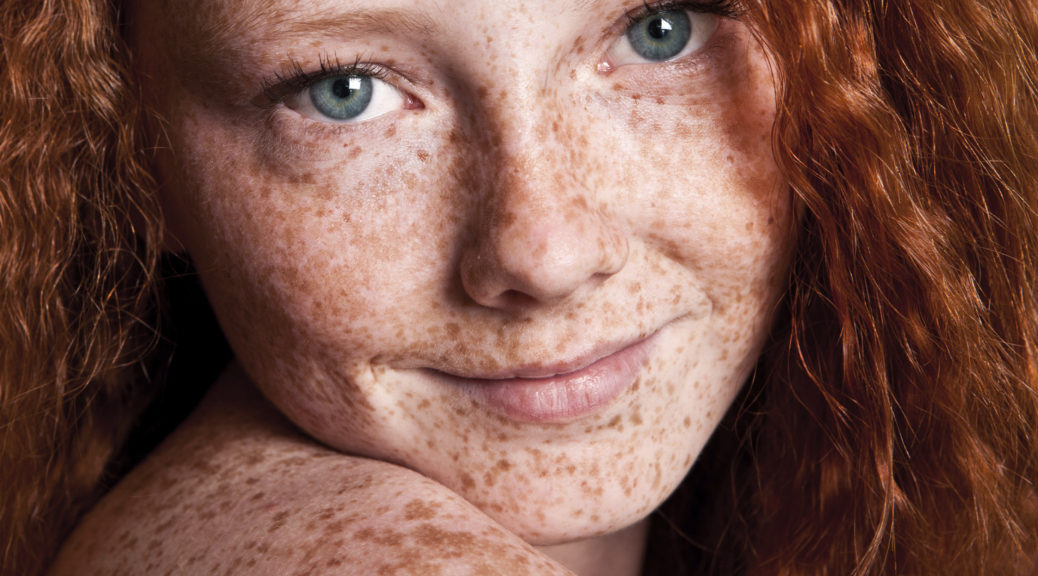

Methodological Challenges of Social Media-Delivered Health Promotion Interventions

Methodological Challenges of Social Media-Delivered Health Promotion Interventions

Dr. Sherry Pagoto, SBM President-elect and KB Collaborator, was a co-presenter for a Behavioral Informatics and Technology Panel Discussion on social media health promotion at the 39th Annual Meeting and Scientific Sessions of the Society of Behavioral Medicine, April 11-14, 2018 in New Orleans, Louisiana. Dr. Pagoto shared methodological challenges related to participant recruitment, intervention content development, and intervention delivery for a Facebook intervention targeting mothers of teen daughters in order to reduce the incidence of indoor tanning. This project is currently being conducted by KB and several collaborators from the University of Connecticut, East Tennesee State University, and Colorado State University.

Social media platforms can be used to deliver health promotion interventions to wide audiences without the barriers that plague traditionally-delivered programs, such as geography, transportation, scheduling, and childcare. Because most people access their social media feeds daily, health programming can be delivered to populations who are not necessarily seeking help or are motivated to change. Despite these promising and unique features, designing studies to evaluate social media-delivered interventions involves methodological challenges for recruitment and participation. During the panel discussion, Dr. Pagoto shared some of our research project’s challenges, implications of alternative recruitment and engagement methods, and valuable lessons learned.

This research project is called “Likes Pins and Views: Engaging Moms on Teen Indoor Tanning Thru Social Media.” It is funded by a grant from the National Cancer Institute (RO1CA192652; Dr. David Buller, KB, Principal Investigator). Collaborators include Dr. Barbara Walkosz and Julia Berteletti from KB, Dr. Sherry Pagoto, Jessica Oleski, and Ashley Panzarino from the University of Connecticut, Dr. Katie Baker and Dr. Joel Hillhouse from East Tennessee State University, and Dr. Kim Henry from Colorado State University.

KB to Co-Host International UV Conference May 1-4, 2018

KB to Co-Host International UV Conference May 1-4, 2018

Klein Buendel is a proud North American organizer and host of the 4th International Conference on UV and Skin Cancer Prevention being held May 1-4, 2018 in Toronto, Canada. The 2018 conference is being organized by a joint planning committee of skin cancer prevention experts in Canada and the United States from Ryerson University in Toronto, the Canadian Dermatology Association, and Klein Buendel.

The UV and Skin Cancer Prevention conferences provide an innovative scientific program that showcases the work of the international skin cancer prevention community. The previous conferences have been held in Copenhagen, Denmark (2011), Berlin, Germany (2013), and Melbourne, Australia (2015) and have attracted international experts in skin cancer prevention, UV radiation science, dermatology, allied behavioral and clinical disciplines and members of the environmental planning and design communities who are working in the field of UV and skin cancer prevention. The conferences have been organized by local planning committees dedicated to advancing skin cancer prevention.

The Toronto conference will feature multiple concurrent sessions and poster sessions addressing primary and secondary prevention, school settings, worksites, shade design, sun safety campaigns, indoor tanning trends, sunscreen, and more.

Special plenary sessions will address:

  • New Research Methods for Skin Cancer Prevention
  • Issues in Dissemination of Skin Cancer Prevention Interventions
  • Second Generation Audiences for Skin Cancer Prevention
  • Environmental Issues in Skin Cancer Prevention
  • Screening for Skin Cancer Prevention

Four additional workshops will be held on May 1st:

  • Sun Safety and Skin Health in Youth
  • Young Adulthood Physical Activity
  • Skin Smart Campus
  • Online, Mobile, and Social Media Interventions

To see the program-at-a-glance, speakers, and registration information, visit…

4th International Conference on UV and Skin Cancer Prevention
