Browsed by
Category: Research

Tattoo Aftercare Instructions and Sun Protection

Tattoo Aftercare Instructions and Sun Protection

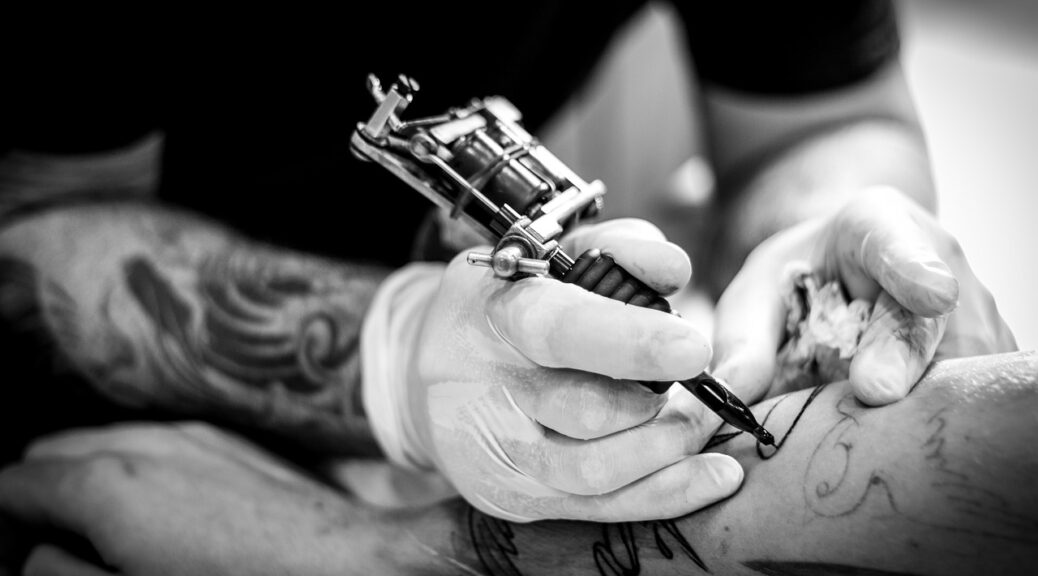
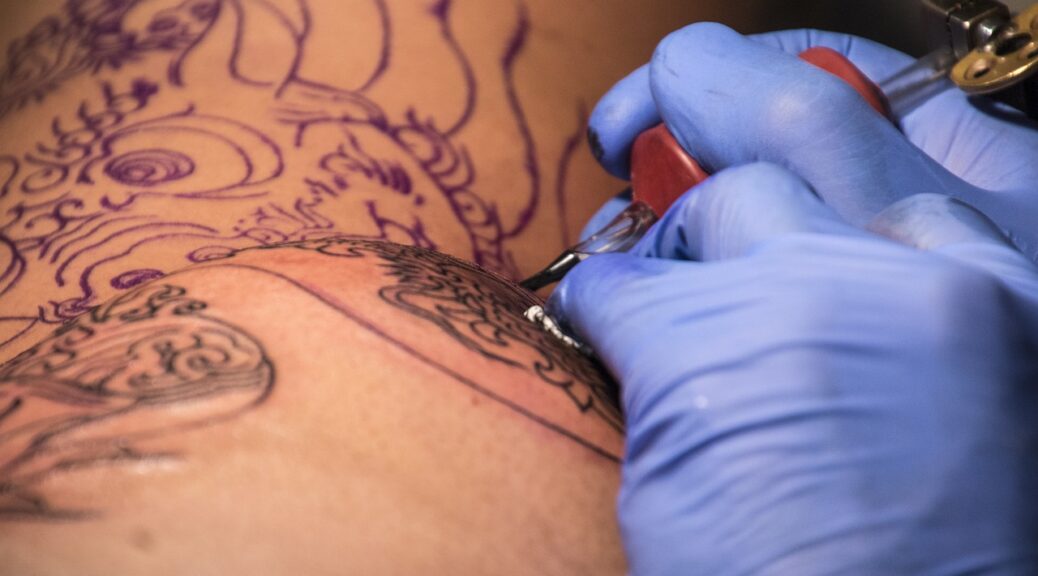
Skin cancer rates continue to rise in the United States, so health researchers continue to explore novel ways to reach people with potentially life-saving information. In a recent commentary published in the Journal of Clinical and Aesthetic Dermatology, Klein Buendel Senior Scientist, Dr. Barbara Walkosz, and co-authors discuss how tattoo studios and their aftercare instructions provide a unique opportunity to reach younger adults with skin cancer prevention recommendations.

Sun protection for new tattoos, to some degree, is provided to most clients as part of the tattoo aftercare process. However, most aftercare instructions focus on the protection of the client’s tattooed skin, not comprehensive full-body sun protection. Most artists are not prepared to impart thorough sun safety recommendations, “such as applying sunscreen prior to sun exposure with a sun protection factor (SPF) of 30 or higher, reapplying sunscreen when outdoors for more than two hours, using clothing that physically blocks ultraviolet rays, wearing wide-brimmed hats that shade the head, or seeking shade when available.”

However, research suggests that tattoo artists are interested in learning about sun safety measures and open to sharing the information with their clients. In the commentary, the authors pinpoint the unique opportunity tattoo studios provide to reach younger adults with public health information, including through studio websites and social media pages. The commentary also shares results from in-depth interviews with tattoo artists and describes how tattoo aftercare instructions vary from state to state.

This research team was funded by a grant and supplement from the National Cancer Institute (CA206569; Dr. Barbara Walkosz and Dr. Robert Dellavalle, Multiple Principal Investigators). Authors include Dr. Cristian Gonzalez from the Department of Dermatology at University of Colorado School of Medicine, Dr. Barbara Walkosz from Klein Buendel, and Dr. Robert Dellavalle from the University of Colorado School of Medicine and the U.S. Department of Veterans Affairs Rocky Mountain Regional VA Medical Center Dermatology Service.  

Scaling-up an Evidence-based Workplace Sun Safety Program

Scaling-up an Evidence-based Workplace Sun Safety Program

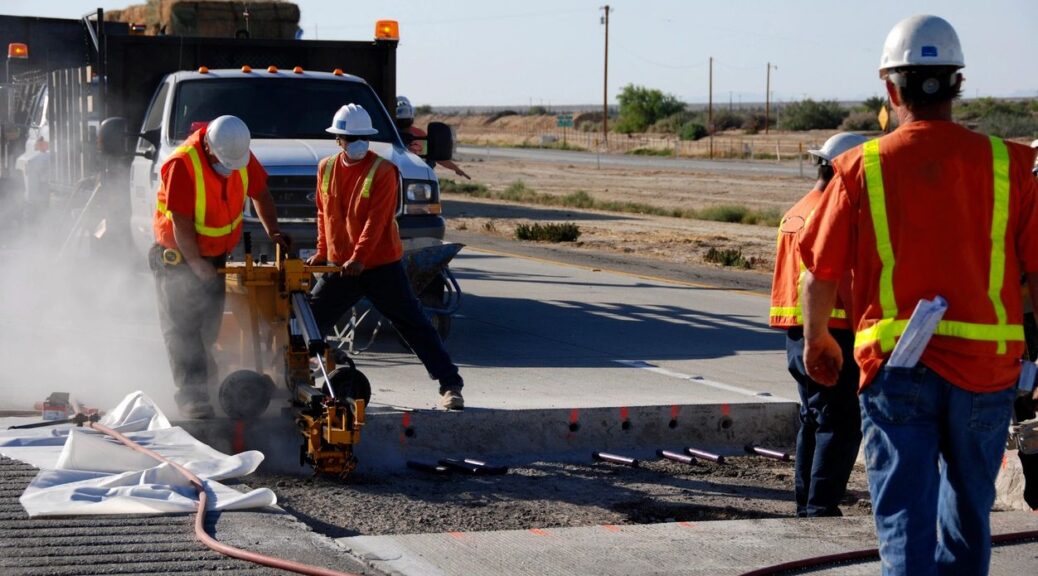
Authors of a recent online publication in Contemporary Clinical Trails recommend that “successful methods for scaling-up evidence-based programs are needed to prevent skin cancer among adults who work outdoors in the sun.” The paper describes the design and baseline descriptive data from a workplace intervention being conducted by Klein Buendel and several research collaborators. The on-going randomized trial compares two methods of scaling-up the Sun Safe Workplaces intervention with 21 state Departments of Transportation and their employees who work outdoors. 

A total of 138 regional districts from the Departments of Transportation were randomly assigned to either an in-person program where project staff meet personally with managers, conduct trainings for employees, and provide printed materials, or a digital program where project staff conduct these same activities virtually, using conferencing technology, online training, and electronic materials.

Delivery of Sun Safe Workplaces in both groups is tailored to managers’ readiness to adopt occupational sun safety. Posttesting will assess manager’s support for and use of Sun Safe Workplaces and employees’ sun safety. An economic evaluation will explore whether the method that uses digital technology that may result in lower implementation of Sun Safe Workplaces, is more cost-effective relative to the in-person method.

The 21 state Departments of Transportation vary in size from 997 to 18,415 employees. At baseline, managers reported being generally supportive of occupational sun safety. A minority reported that the Departments had a written sun safety policy, half reported sun safety training for employees, and two-thirds reported messaging and communication about sun protection for employees. The research will help determine whether digital methods can facilitate a cost-effective scale-up of Sun Safe Workplaces for outdoor workers in industries across the country.  

This research project (CA210259) is funded as part of the National Cancer Institute’s Cancer Moonshot Initiative, which aims to accelerate cancer research in order to make more therapies available to patients, while also improving the ability to prevent cancer and detect it at an early stage. This project, Sun Safe Workplaces-Technology, is being led by KB’s Director of Research, Dr. David Buller, as Principal Investigator. Co-authors on the Contemporary Clinical Trails publication include Dr. Richard Meenan from Kaiser Permanente’s Center for Health Research, Dr. Gary Cutter from Pythagoras, Inc., Dr. Sherry Pagoto from the University of Connecticut, and Ms. Mary Buller, Ms. Julia Berteletti, Ms. Rachel Eye, and Dr. Barbara Walkosz from Klein Buendel.

Sun Safe Partners Online

Sun Safe Partners Online

Findings from a pilot randomized controlled trial evaluating the feasibility and preliminary impact of an online couple-focused intervention to improve sun protection behavior were published recently in the Journal of Medical Internet Research. The research team was led by Dr. Sharon Manne from the Rutgers Cancer Institute of New Jersey. Collaborators from Michigan State University, the University of Connecticut, Memorial Sloan Kettering Cancer Center, and Klein Buendel rounded out the research team.

At the time of the study, Sun Safe Partners Online was a web-based intervention with four individual-focused modules and four couple-focused modules. A total of 75 couples who reported suboptimal levels of sun protection were randomly assigned to receive either Sun Safe Partners Online or a generic sun safety education intervention. Participants were recruited through Facebook advertising, resulting in rapid enrollment and higher acceptance than was evident in a previous trial testing telephone and print intervention. Feasibility was assessed by enrollment, engagement, survey completion, module completion, and module satisfaction. Participants also completed pre/post surveys assessing sun protection, sun exposure on weekends, sunburn incidence, and attitudes toward sun protection. A full description of the methods, analyses, and effects of the study can be found in the publication.

Sun Safe Partners Online was found to be an innovative strategy for engaging adults in sun safety. The authors conclude that “a couple-focused intervention may hold promise as a way to improve sun protection behaviors beyond interventions focused solely on individuals by leveraging the concern, collaboration, and support among intimate partners and addressing relationship-based barriers to sun protection.”

This pilot research was supported by Rutgers Cancer Institute of New Jersey Institutional funds.

Testing The Impact Of Social Media Messaging On COVID-19 Mitigation

Testing The Impact Of Social Media Messaging On COVID-19 Mitigation

Klein Buendel researchers and collaborators are launching a supplemental study to test the impact of social media messaging on COVID-19 mitigation, such as social distancing behaviors and vaccination, in a sample of mothers with daughters aged 14-17 years. The study, which is funded by the National Cancer Institute, will examine the impact of different sources frequently providing COVID-19 and vaccination information via Facebook.

The Internet, including social media, is a preferred channel for health information for many Americans (1,2). At their best, social media provide flexible, responsive, and accessible platforms for distributing information to the public from trusted voices such as Centers for Disease Control and Prevention (CDC) and National Institutes of Health to promote needed health behaviors (3,4). Social media can improve information dissemination and personal relevance (8-12), create social support and collective action (13,14), and detect and respond to emerging issues and trends such as the COVID-19 response (5,6). At their worst, social media circulate inaccurate, misleading, unsupported, and harmful information (5,7), which may be especially detrimental in this age of filter bubbles separating Americans into like-minded groups (5).

Following a pretest survey, mothers will be randomly assigned to one of three Facebook private groups varying in types of source in the COVID-19 social media posts – government health agencies, near-peer parents and family members, or news media. Social media platforms are directing users to health organizations (6) but other sources may be credible with users, as well. The private groups prevent experimental contamination while delivering the social media feed. Mothers will complete a posttest at 3-, 6-, and 9-weeks post-randomization. The primary outcomes, assessed at pretest and all posttests, will be social distancing behaviors by self and daughter and intention to vaccinate self and daughter for COVID-19 (if a vaccine becomes available). Secondary outcomes are mother-daughter communication about COVID-19 mitigation behaviors and vaccination, theoretic antecedents of mitigation behaviors and vaccination, media literacy, and COVID-19 misinformation. Individual differences among mothers and other covariates will be measured at baseline or obtained from the parent trial. Engagement with the social media feed will be recorded.

This research is funded by an administrative supplement to a grant from the National Cancer Institute (CA192652; Dr. David Buller, Klein Buendel, and Dr. Sherry Pagoto, University of Connecticut, Multiple Principal Investigators). Collaborators include Dr. Katie Baker, Dr. Joel Hillhouse, and Jessica Bibeau from East Tennessee State University; Dr. Kim Henry from Colorado State University; and Dr. Barbara Walkosz and Julia Berteletti from Klein Buendel.

References

1. Purcell K; Pew Research Center. The State Of Online Video. Available at: http://www.pewinternet.org/2010/06/03/the-state-of-online-video/. Published June 3 2010. Accessed May 22, 2020.

2. Majority of Adults Look Online for Health Informaiton. FactTank: News in the Numbers. February 1, 2013. http://www.pewresearch.org/fact-tank/2013/02/01/majority-of-adults-look-online-for-health-information/. Accessed May 22, 2020.

3. Veil SR, Buehner T, Palenchar MJ. A work-in-process literature review: incorporating social media in risk and crisis communication. J Contingencies Crisis Manage. 2011;19(2):110-122.

4. Breland JY, Quintiliani LM, Schneider KL, May CN, Pagoto S. Social media as a tool to increase the impact of public health research. Am J Public Health. 2017;107(12):1890-1891.

5. Sutton J. Health communication trolls and bots versus public health agencies’ trusted voices. Am J Public Health. 2018;108(10):1281-1282.

6. Merchant RM, Lurie N. Social media and emergency preparedness in response to novel coronavirus [published online ahead of print March 24, 2020]. JAMA. 2020 doi: 10.1001/jama.2020.4469

7. Broniatowski DA, Jamison AM, Qi S, et al. Weaponized health communication: Twitter bots and Russian trolls amplify the vaccine debate. Am J Public Health. 2018;108(10):1378-1384.

8. Valle CG, Tate DF, Mayer DK, Allicock M, Cai J. A randomized trial of a Facebook-based physical activity intervention for young adult cancer survivors. J Cancer Surviv. 2013;7(3):355-368.

9. Young SD, Cumberland WG, Lee SJ, Jaganath D, Szekeres G, Coates T. Social networking technologies as an emerging tool for HIV prevention: a cluster randomized trial. Ann Intern Med. 2013;159(5):318-324.

10. Pagoto S, Baker K, Griffith J, et al. Engaging moms on teen indoor tanning through social media: protocol of a randomized controlled trial. JMIR Research Protocols. 2016;5:e228. doi: 10.2196/resprot.6624. PMCID: PMC5147712

11. Witte K. Putting the fear back in fear appeals: the extended parallel process model. Communication Monographs. 1992;59:329-349.

12. Rogers RW. A Protection Motivation Theory of fear appeals and attitude change1. J Psychol. 1975;91(1):93-114. doi: 10.1080/00223980.1975.9915803

13. Rogers RW. Cognitive and physiological processes in fear appeals and attitude change: a revised theory of protection motivation. In: Cacioppo, J, Petty, R, eds. Social Psychophysiology. New York, NY: Guilford Press; 1983:153-176.

14. Woodall GW, Starling R, Buller DB, Kong A, Wheeler C. Beta-test and randomized trial results for GoHealthyGirls: a website for HPV vaccine adoption. 29th Meeting of the International Papillomavirus Conference; August 20-25; Seattle, Washington.

Sales of Recreational Cannabis to Alcohol-Intoxicated Customers

Sales of Recreational Cannabis to Alcohol-Intoxicated Customers

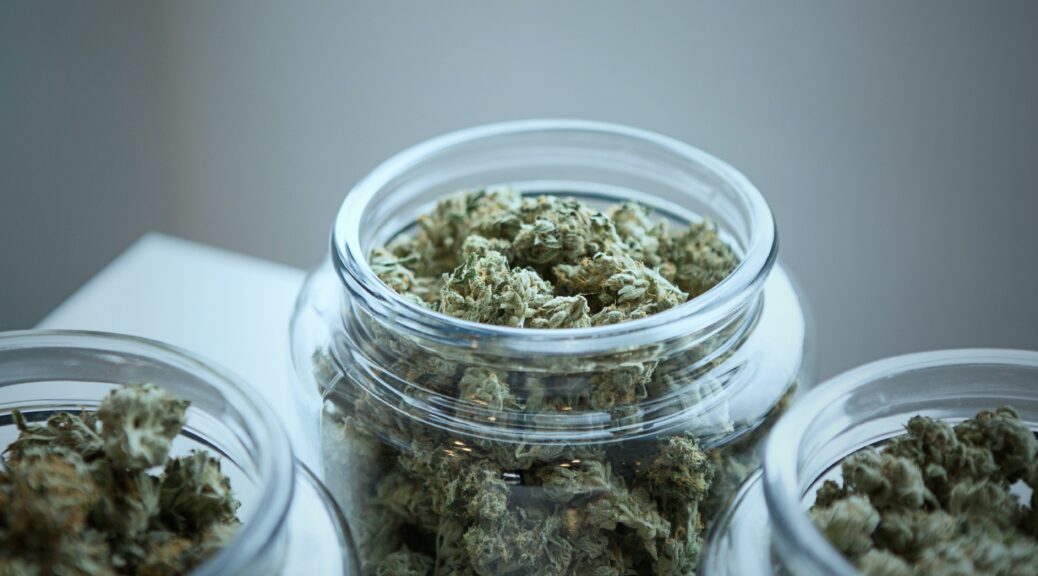
To prevent harm, some U.S. states have laws prohibiting the sale of recreational marijuana to alcohol-intoxicated customers. In a recent publication in the International Journal of Drug Policy, Klein Buendel researchers and collaborators evaluated an online responsible marijuana vendor (RMV) training program – Train to Tend – and its performance at deterring sales to apparently alcohol-intoxicated customers in recreational cannabis stores. Much like the training of responsible alcohol sales practices, RMV training may prove beneficial for helping to keep customers and communities safe.

One hundred fifty stores from Colorado, Oregon, and Washington were enrolled in the randomized controlled trial. Half of the stores were randomly selected to receive Train to Tend training. One of the five online training modules addressed recognizing signs of impairment and intoxication, refusing sales to intoxicated patrons, and understanding the risks of driving under the influence of cannabis.

The evaluation employed pseudo-patron pairs, one of which displayed obvious signs of alcohol intoxication. The refusal of cannabis sales to the pseudo-intoxicated buyers was very low. In some cases, store personnel made comments or expressed suspicion towards buyers’ behavior, but continued with the sale nonetheless. Refusal rates between intervention and control stores were not significantly different. Overall, responsible marijuana vending practices alone did not appear to influence the reduction of marijuana sales to customers with obvious signs of alcohol intoxication. A full description of the methods, results, and discussion can be found in the publication.

This research was funded by a grant from the National Institute on Drug Abuse at the National Institutes of Health (DA038933; Dr. David Buller, Principal Investigator). Co-authors on the publication include Dr. Robert Saltz from the Prevention Research Center at the Pacific Institute for Research and Evaluation in California; Dr. Gary Cutter from the University of Alabama, Birmingham; and Dr. W. Gill Woodall, Andrew Grayson, and Sierra Svendsen from Klein Buendel.

Using Machine Learning Techniques to Predict Sunburn Risk in Outdoor Exercisers

Using Machine Learning Techniques to Predict Sunburn Risk in Outdoor Exercisers

In response to recreational UV exposure being associated with skin cancer (1), Julia Berteletti, MSW, and David Buller, PhD, of Klein Buendel have launched a new research project to harness technology to increase individual’s sun safety during outdoor physical activity. The title of the new project is “Using Retrospective and Real-Time Physical Activity Tracking to Predict Risk of Sunburn in Outdoor Exercisers on Strava.”

The Strava Sun Project is based on evidence that individuals who engage in more physical activity have a higher prevalence of sunburn (2, 3-6), a proximal biomarker of melanoma risk, and melanoma is positively associated with physical activity (7). For some athletes, forgetting to apply sunscreen (8,9) or not liking its feel while engaged in physical activity can be barriers to sun protection (8,10). An expert meeting hosted by the National Cancer Institute identified sun safety during physical activity as a priority research area (11) and the U.S. Surgeon General prioritized strategies for coordinating messages on sun safety and physical activity in the Call to Action to Prevent Skin Cancer (12).

Online and mobile technologies for tracking physical activity have exploded over the past decade. Many Americans wear activity trackers or GPS-enabled devices, such as  Fitbit and Garmin, and upload their physical activity data to websites/mobile apps. Strava, an activity tracking app and social networking site for athletes of all abilities, is one of the most popular. Millions share their own activities and follow and comment on physical activity by other users in their network. The goal of this project is to increase skin cancer prevention among a high-risk population, adults who engage in outdoor physical activity by establishing feasibility of interfacing sun protection advice with the Strava website/mobile app.

Specifically, the research will create an algorithm that predicts when individuals are likely to be engaged in physical activity outdoors, and delivers sun safety advice tailored to time, location, and personal risk (for example, skin sun sensitivity). The Strava Sun program will obtain user data and deliver ecologically-valid sun safety advice by utilizing Strava’s open-source Applications Programming Interface (API) and location-based advice algorithms developed by Klein Buendel for the sun safety mobile app, sunZapp (13). Machine learning techniques will be employed to develop an algorithm using Strava activities to predict high-risk behavior, such as outdoor physical activity when UV levels are high and sun safety is advised.

Overall, a sun protection interface for the Strava platform will allow for the identification of a large population of Americans at high risk for skin cancer who routinely engage in physical activity, often outdoors with high-risk sun exposure, and reach them with sun safety advice they may not seek on their own to motivate them to practice sun safety during outdoor activities.

This project is funded by a grant from the National Cancer Institute at the National Institutes of Health (CA241637; Dr. David Buller and Ms. Julia Berteletti, Multiple Principal Investigators). Co-Investigators include Dr. Kim Henry and Dr. Chuck Anderson from Colorado State University. Other collaborators include Dr. Sherry Pagoto from the University of Connecticut and Mr. Scott Camichael, a recent software engineer at Strava. Developers at Klein Buendel will produce the API database and program.

References

  1. Moehrle M. Outdoor sports and skin cancer. Clin Dermatol. 2008;26(1):12-15.
  2. Holman DM, Ding H, Guy GP, Jr., Watson M, Hartman AM, Perna FM. Prevalence of Sun Protection Use and Sunburn and Association of Demographic and Behaviorial Characteristics With Sunburn Among US Adults. JAMA Dermatol. 2018;154(5):561-568.
  3. Holman DM, Berkowitz Z, Guy GP, Jr., Hartman AM, Perna FM. The association between demographic and behavioral characteristics and sunburn among U.S. adults – National Health Interview Survey, 2010. Prev Med. 2014;63:6-12.
  4. Hall HI, Saraiya M, Thompson T, Hartman A, Glanz K, Rimer B. Correlates of sunburn experiences among U.S. adults: results of the 2000 National Health Interview Survey. Public Health Rep. 2003;118(6):540-549.
  5. Coups EJ, Manne SL, Heckman CJ. Multiple skin cancer risk behaviors in the U.S. population. Am J Prev Med. 2008;34(2):87-93. doi: 10.1016/j.amepre.2007.09.032
  6. Lawler S, Sugiyama T, Owen N. Sun exposure concern, sun protection behaviors and physical activity among Australian adults. Cancer Causes Control. 2007;18(9):1009-1014.
  7. Moore SC, Lee IM, Weiderpass E, et al. Association of Leisure-Time Physical Activity With Risk of 26 Types of Cancer in 1.44 Million Adults. JAMA Intern Med. 2016;176(6):816-825.
  8. Petty KN, Knee CR, Joseph AK. Sunscreen use among recreational cyclists: how intentions predict reported behavior. J Health Psychol. 2012;18(3):439-447.
  9. Wysong A, Gladstone H, Kim D, Lingala B, Copeland J, Tang JY. Sunscreen use in NCAA collegiate athletes: Identifying targets for intervention and barriers to use. Prev Med. 2012;55(5):493-496.
  10. Berndt NC, O’Riordan DL, Winkler E, McDermott L, Spathonis K, Owen N. Social cognitive correlates of young adult sport competitors’ sunscreen use. Health Educ Behav. 2011;38(1):6-14.
  11. Geller AC, Jablonski NG, Pagoto SL, et al. Interdisciplinary perspectives on sun safety. JAMA Dermatol. 2018;154(1):88-92. PMC5839662.
  12. U.S. Department of Health and Human Services. The Surgeon General’s Call to Action to Prevent Skin Cancer. Washington, D.C.: U.S. Department of Health and Human Services, Office of the Surgeon General;2014.
  13. Heron KE, Smyth JM. Ecological momentary interventions: incorporating mobile technology into psychosocial and health behaviour treatments. Br J Health Psychol. 2010;15(Pt 1):1-39.

Sun Safety Communication and Behavior for Students in a School Policy Intervention

Sun Safety Communication and Behavior for Students in a School Policy Intervention

In a recent publication in the Australian and New Zealand Journal of Public Health, Klein Buendel researchers and collaborators evaluated the Sun Safe Schools policy implementation intervention program in California school districts.

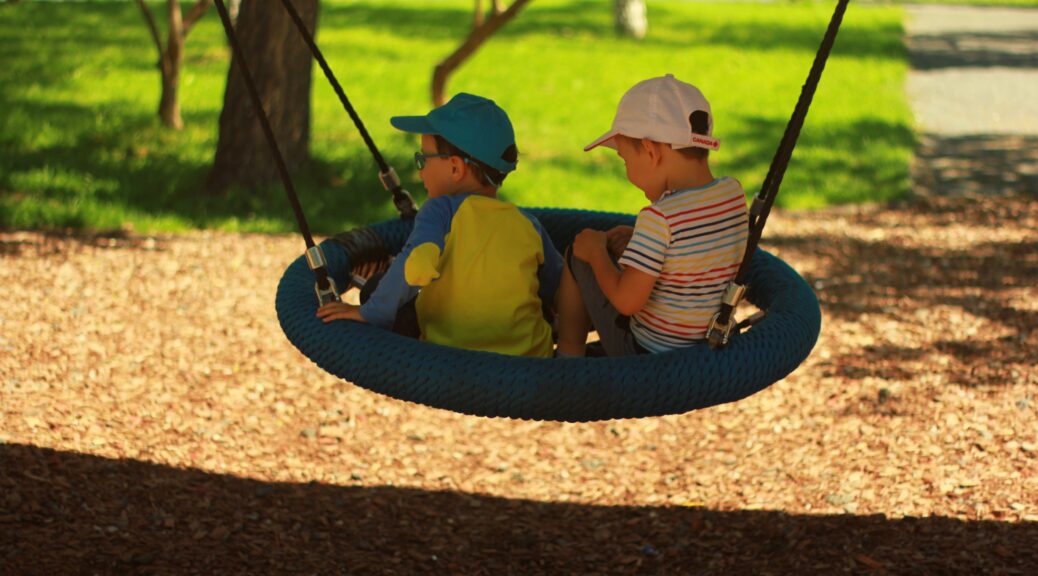
The United States has a high occurrence of skin cancer which has created a call to action for many organizations. The Sun Safe Schools program was created to help prevent skin cancer and to protect the nation’s youth by encouraging healthy sun safety habits for young students. In schools specifically, “children receive substantial solar ultraviolet radiation (UV) exposure, including while at school (1), and are frequently sunburned (2).”

In the study, primary schools who had existing sun safety policies were randomized into intervention and control groups and a posttest was distributed to parents. With parents in the intervention schools receiving more information about sun safety, their students on average were more likely to wear sun-protective clothing outside of school more frequently than the students of parents in the control schools. Parents in the intervention group also reported less sunburns and less time outdoors among children whose schools had implemented sun safety practices. A full description of the methods, analyses, results, conclusions, and limitations can be found in the publication.

Overall, support and implementation for a sun protection policy in school districts increased the amount of sun safety information to parents and increased the effectiveness of sun safety behaviors for children. However, experienced faculty and engaging parents are both important factors in the prevention of student skin cancer.

This research was funded by a grant from the Eunice Kennedy Shriver National Institute of Child Health and Human Development at the National Institutes of Health (HD074416; Dr. Kim Reynolds and Dr. David Buller, Multiple Principal Investigators). Other authors include Dr. Richard Meenan from the Kaiser Permanente Center for Health Research in Portland, Oregon; Dr. Jeff Ashley from Sun Safety for Kids in Los Angeles, California; Kim Massie previously from Claremont Graduate University; and Mary Buller and Julia Berteletti from Klein Buendel.

References

1. Buller DB, Borland R. Skin cancer prevention for children: a critical review. Health Educ Behav. 1999;26(3):317-43.

2. Buller DB, Cokkinides V, Hall HI, Hartman AM, Saraiya M, Miller E, et al. Prevalence of sunburn, sun protection, and indoor tanning behaviors among Americans: systematic review from national surveys. J Am Acad Dermatol. 2011;65(5 Suppl 1):114-23.

Supporting Implementation of Sun Safety Policies in Schools

Supporting Implementation of Sun Safety Policies in Schools

Many schools in California are working to increase sun protection practices by students, parents, teachers, and staff in an effort to reduce over-exposure to ultraviolet radiation and prevent skin cancer in the long term. A paper published recently in Preventive Medicine presents the results of a large randomized trial assessing an intervention designed to close a sun safety policy-practice gap in California elementary schools. The trial tested the hypothesis that schools with sun safety policies randomly assigned to receive the Sun Safe Schools intervention would implement more sun safety practices than schools in a minimal information control group.

Research collaborators from Claremont Graduate University, Klein Buendel, the Kaiser Permanente Center for Health Research, and Sun Safety for Kids, Inc. implemented the Sun Safe Schools program in 118 elementary schools from 40 California public school districts. Each school district had a school board-approved policy for sun safety (Board Policy 5141.7). The 20-month intervention was delivered to principals and included a coaching session, telephone and email contacts, resources for implementing sun protection practices, and a small grant program (for example, to purchase sunscreen for students).

The Sun Safe Schools intervention was effective at narrowing the sun safety policy-practice gap in participating California elementary schools. The program increased the total number of sun safety practices implemented by intervention schools compared to control schools. Also, more intervention schools’ sun safety practices reflected elements of district policy and sometimes went beyond the elements included in district policy. Detailed descriptions of the sample, measures, methods, analyses, outcomes, strengths, and limitations of the randomized controlled trial can be found in the Preventive Medicine publication.

The research was funded by a grant from the Eunice Kennedy Shriver National Institute of Child Health and Human Development at the National Institutes of Health (HD074416; Dr. Kim Reynolds, Claremont Graduate University, and Dr. David Buller, Multiple Principal Investigators). Coauthors, in addition to Dr. Reynolds and Dr. Buller, include Kim Massie formerly from CGU; Dr. Jeff Ashley from Sun Safety for Kids in Los Angeles, California; Dr. Richard Meenan from the Kaiser Permanente Center for Health Research in Portland, Oregon; and Julia Berteletti and Mary Buller from Klein Buendel.

Gaining Entry to Correctional Settings for Health Research

Gaining Entry to Correctional Settings for Health Research

In a recent publication for a special issue on Nursing Leadership in Correction in the journal Nursing Leadership, authors from Penn State University, Indiana University, King’s College, and Klein Buendel share lessons learned from implementing a large-scale health communication research project in correctional settings. The NIH-funded project developed, implemented, and evaluated computer-based learning modules to train corrections personnel in geriatric and end-of-life care for incarcerated individuals. The program, Enhancing Care for the Aged and Dying in Prison, was funded by a Small Business Technology Transfer (STTR) grant to Klein Buendel from the National Institute on Aging at the National Institutes of Health.

The lessons learned, and described in detail in the publication, include the importance of building a team of experts, “planning and punting” (such as designing a reliable communication plan and adjusting to the distinctive facets of each prison), coordinating with institutional review boards to protect vulnerable populations, and examining denied applications for access to correctional facilities in order to inform future planning. According to the authors, “These lessons serve to establish best practices on how to access correctional settings and to enable more research in corrections.” Access to even one correctional facility can help researchers learn more about and help to improve healthcare for people who are incarcerated.

This research was funded by a Phase I and II STTR grant from the National Institute on Aging (AG049570). The Phase I Multiple Principal Investigators were Dr. Janice Penrod and Dr. Susan Loeb from Penn State University. The Phase II Multiple Principal Investigators were Dr. Susan Loeb and Dr. Valerie Myers from Penn State University and Klein Buendel, respectively.  The first author of the recent Nursing Leadership publication is Dr. Erin Kitt-Lewis from Penn State University. Her coauthors include Dr. Susan Loeb from Penn State University, Dr. Valerie Myers and Tiffany Jerrod from Klein Buendel, Dr. Rachel Wion from Indiana University, and Dr. Julie Murphy from King’s College.

Factors Impacting Sun Protection in California Schools

Factors Impacting Sun Protection in California Schools

Findings from a school-based sun safety study, Sun Safe Schools, were published recently in the Journal of School Health. The research team from Klein Buendel, Claremont Graduate University, the Kaiser Permanente Center for Health Research, and Sun Safety for Kids examined the correlates of sun safety policy implementation in California public school districts.

In 2002, California was the first state to enact legislation governing sun protection for students. It is California Education Code Section 35183.5. In 2005, the Sun Safe Schools research team collaborated with California Schools Board Association to develop a comprehensive Sample Board Policy for sun safety (BP 5141.7) based on California law and recommendations from the U.S. Centers for Disease Control and Prevention. The study included California public school districts that had already adopted the board-approved sun safety policy.

For the study, principals and teachers completed an online survey about sun protection policies and practices. Respondents reported on the implementation of ten school practices related to BP 5141.7 and indicated which practices, if any, were implemented in their school. Years in public education, years worked in the current district, perception that parents should take action to protect children from the sun, and respondents’ personal skin types were associated with the number of practices implemented in the school.

A full description of the methods, analyses, results, conclusions, and limitations can be found in the publication. In summary, the authors concluded that policy implementation is more likely among schools with experienced faculty, when parents are seen as important partners in student skin cancer prevention, and when school principals and teachers have a personal skin type at lower risk for melanoma.

The Sun Safe Schools program was a collaborative research effort of Claremont Graduate University (CGU), the Kaiser Permanente Center for Health Research, and Klein Buendel. The research was funded by a grant from the Eunice Kennedy Shriver National Institute of Child Health and Human Development at the National Institutes of Health (HD074416; Dr. Kim Reynolds, CGU, and Dr. David Buller, Klein Buendel, Multiple Principal Investigators). Collaborators included Dr. Richard Meenan from the Kaiser Permanente Center for Health Research; Dr. Jeff Ashley from Sun Safety for Kids in Los Angeles, California; Kim Massie previously from CGU; and Julia Berteletti, Xia (Lucia) Liu, and Mary Buller from Klein Buendel.